
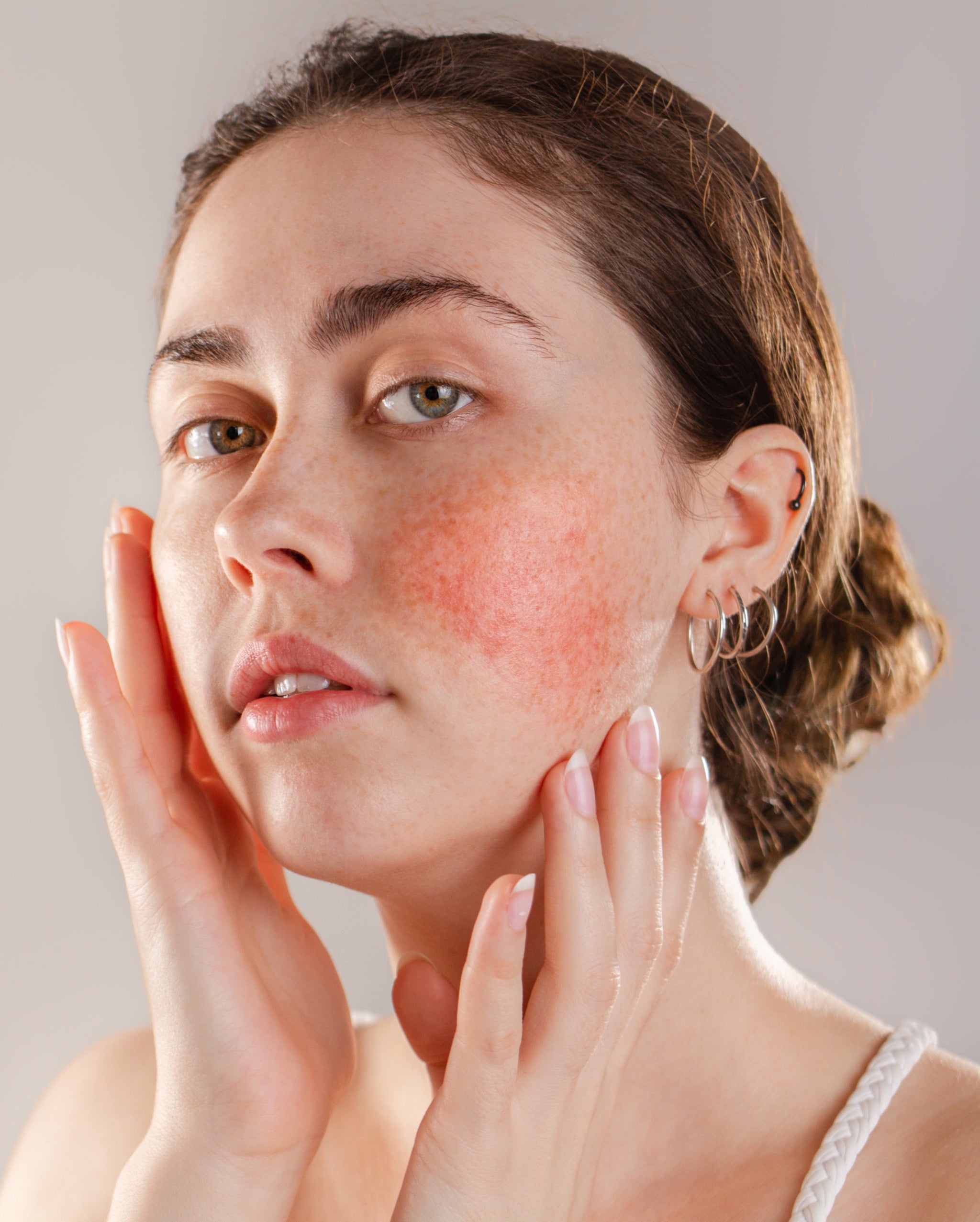
Rosacea and redness: understand before acting
The largest epidemiological study ever conducted on the subject, involving more than 50,000 people in 20 countries, established a global prevalence of rosacea of 5.1%, with women being more affected than men (Journal of the American Academy of Dermatology, 2024). In other words, it is neither rare nor imaginary: facial redness that recurs, persists, or worsens with heat or emotion has a very real medical explanation.
Before looking for a solution, it is first necessary to understand what we are dealing with, because "redness" covers several very different realities.
Couperose or rosacea? Don't confuse them
The two terms are often used interchangeably, which perpetuates the confusion.
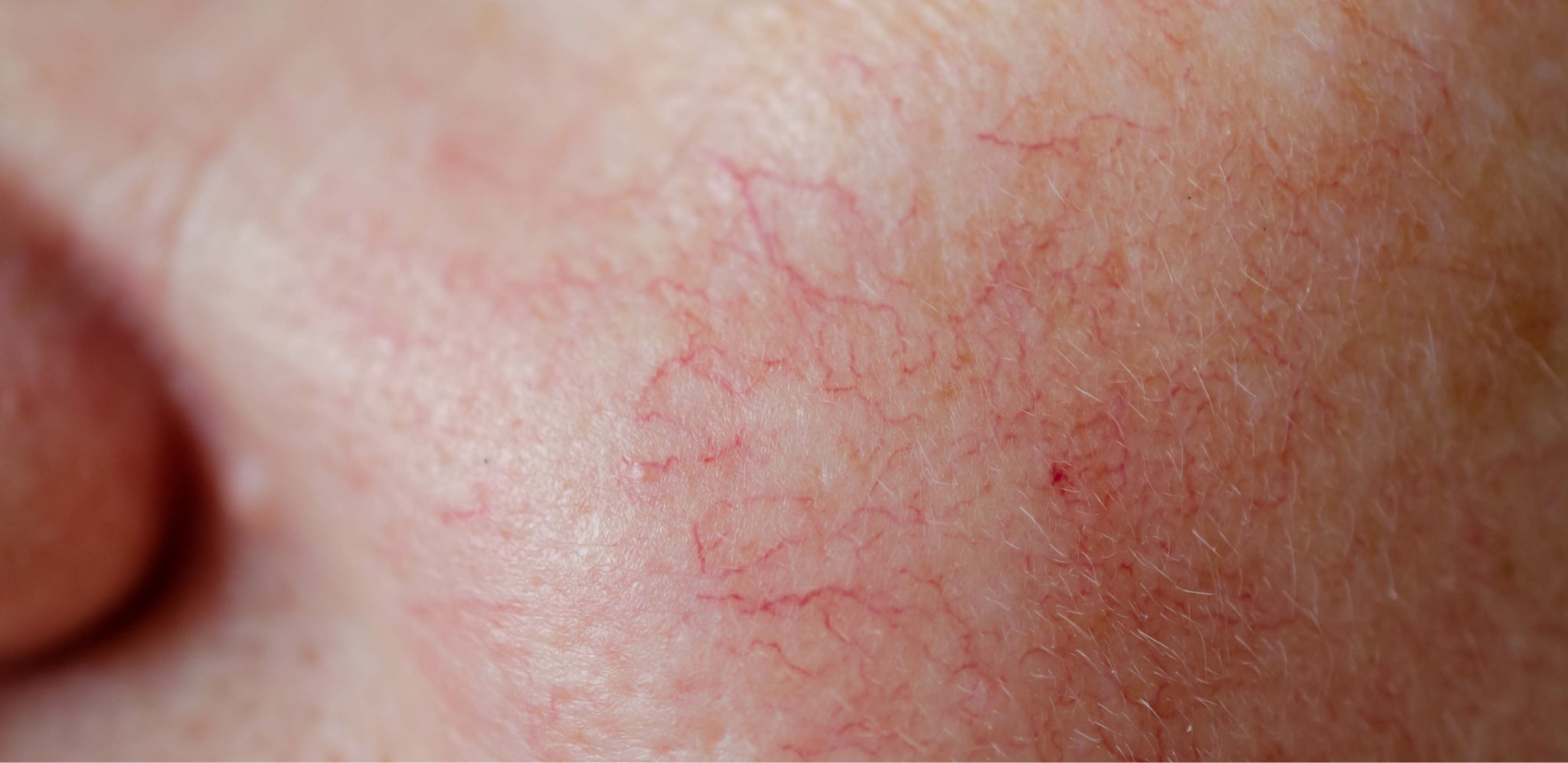
Rosacea
refers to the visible dilation of small blood vessels under the skin, most often on the cheeks and nose. It manifests as a network of fine red or purplish lines, permanent, without necessarily having any other associated symptoms.
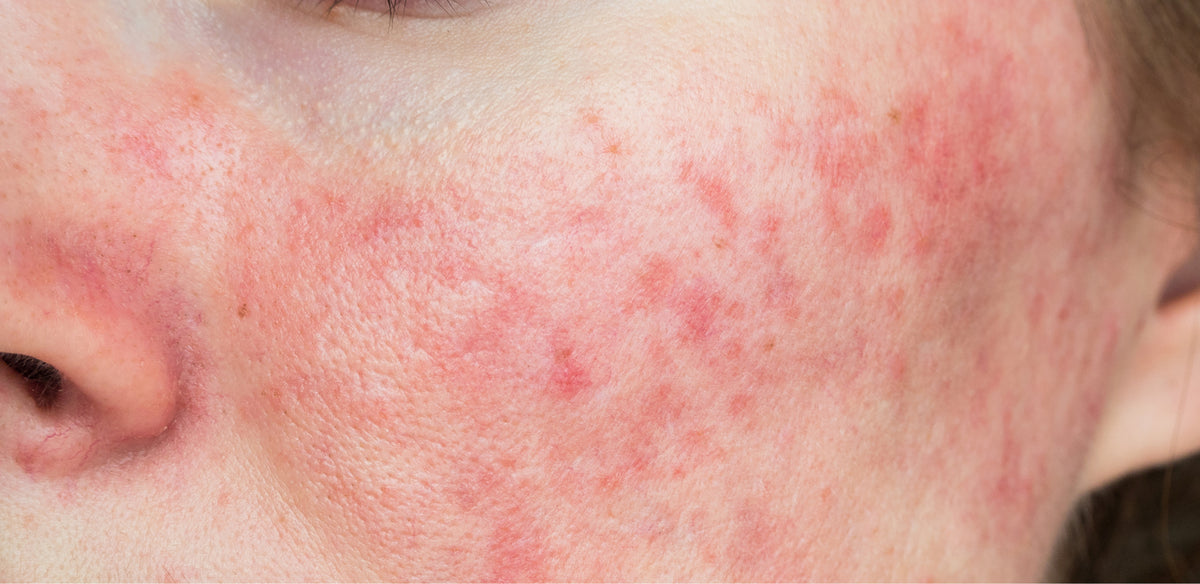
Rosacea
Is a broader chronic skin condition of which couperose may be a component. It includes diffuse redness, vasomotor flushes (the famous "hot flash" in the face), sometimes small bumps, and in some cases eye sensitivity.
It is possible to have couperose without rosacea, but rosacea is almost always accompanied by a vascular component similar to couperose. The difference lies mainly in the extent of the symptoms and how they evolve over time.
Why does this redness appear
Several factors, often combined, weaken the small blood vessels in the face:
- Genetic predisposition, the most significant factor. Rosacea particularly affects fair and thin skin, where blood vessels are naturally closer to the surface.
- Temperature fluctuations, sudden heat or intense cold, which cause the vessels to repeatedly dilate and then contract, eventually weakening them permanently.
- The sun, which damages the walls of the blood vessels over time and worsens existing diffuse redness.
- Certain everyday triggers: alcohol, spicy foods, stress, intense exercise, or certain cosmetic products that are too harsh for reactive skin.
- Hormonal factors, particularly during menopause, when hot flashes can exacerbate rosacea.
Occasional or installed: how to tell them apart
Not all facial redness is caused by couperose. Here is how to tell the difference:
Occasional redness
Those that appear after exercise, a spicy meal, or a stressful moment, then disappear within a few minutes or hours, are generally not rosacea, but rather a normal skin reaction.
An established bed of nasturtium
Recognized by persistent redness, visible even at rest, often accompanied by a network of small visible blood vessels and a sensation of heat or tightness.
Our solutions for lasting relief
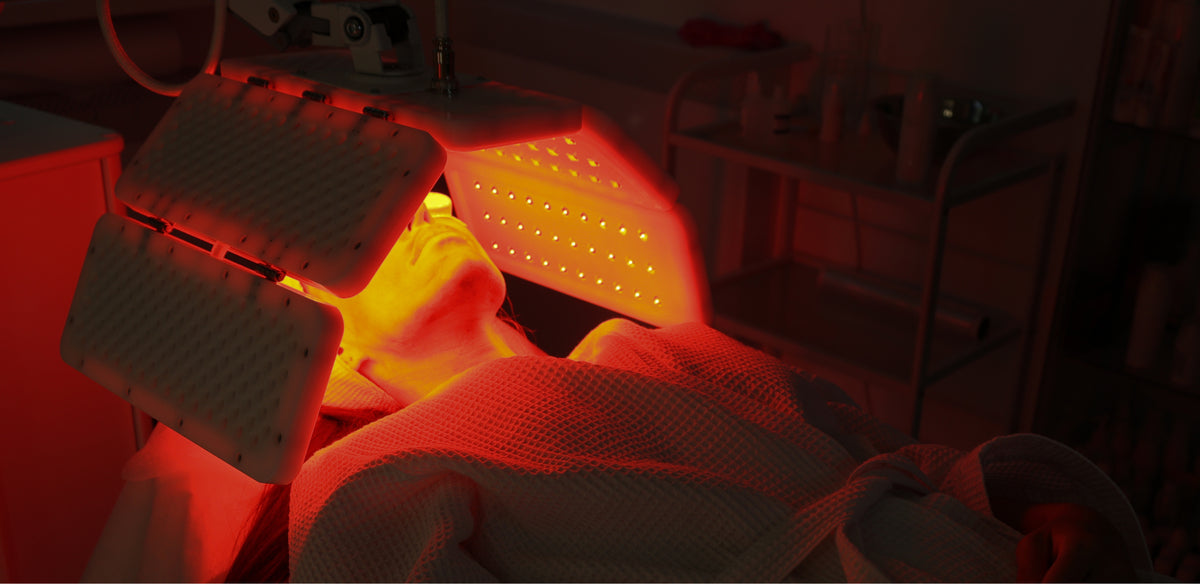
LED light therapy
It is the gold standard treatment for skin prone to diffuse redness. Gentle, without heat or mechanical irritation, it reduces inflammation and soothes skin reactivity without risking an aggravation of blood vessel dilation, unlike some more intensive treatments. Progressive results, over several regular sessions.
The peel
Only in its gentlest version, suitable for reactive skin, it can help strengthen the skin barrier over the long term, but must be used with caution: a poorly chosen peel can instead aggravate couperose.
Our treatments
Take care of every aspect of your skin
One treatment, one goal. Choose yours. We’ll discuss it together during your free consultation.
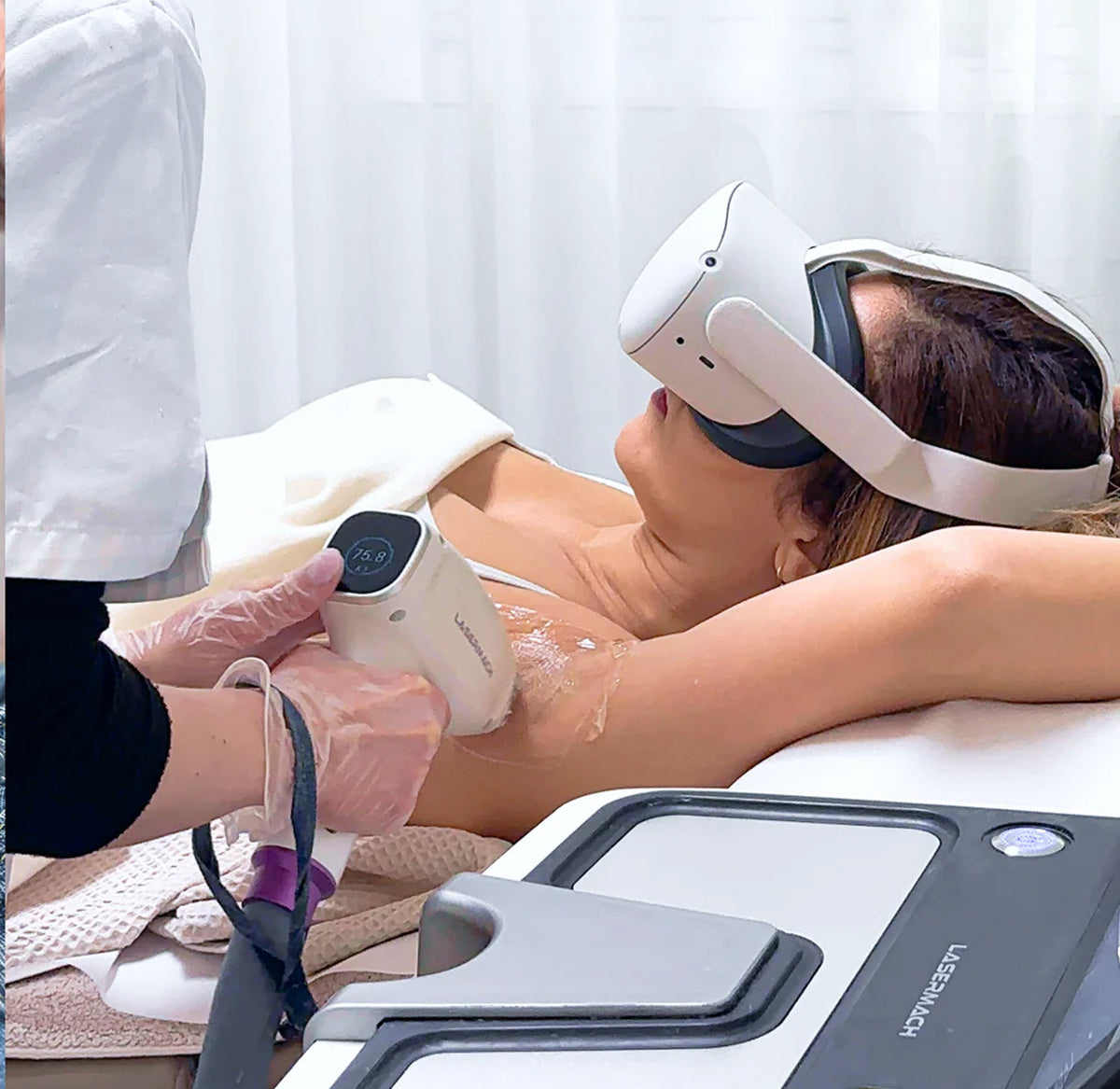
Going further, our partnership with the Sybays Centre
Some cases of redness benefit from a complementary approach to the one offered at SSSKIN. This is why we have formed an exclusive partnership with the Sybays Center in Lausanne, an aesthetic clinic specializing in advanced aesthetic medicine.
To benefit from partner rates, simply mention that you are an SSSKIN host when booking your appointment at Sybays.
A gentle LED light that deeply repairs, soothes, and revitalizes the skin—a good addition to explore if your SSSKIN protocol requires an extra approach over time.