Heavy legs: where does this sensation come from, and how to relieve it
A medical literature review has established that approximately 25% of the population has varicose veins, with or without associated edema, a figure that rises significantly with age (Journal of the German Society of Dermatology, 2017). The feeling of heavy legs at the end of the day is therefore nothing unusual, nor imaginary: it is one of the most common signs of blood circulation struggling to pump blood back to the heart.
Here is what is really happening in your legs, the signs to watch out for, and what can really provide you with daily relief.
Where does this heavy feeling come from
The veins in the legs work against gravity: blood must flow back toward the heart thanks to small valves and the contraction of the calf muscles. When this mechanism works less effectively, blood pools more in the legs, creating that characteristic feeling of heaviness, sometimes accompanied by swelling.
Several factors contribute to poor circulation:
Prolonged standing or sitting
which limits the natural pumping action of the calf muscles on venous circulation.
Heat
which dilates the blood vessels and accentuates the feeling of heaviness, which explains why the phenomenon worsens significantly in summer.
Hormones
particularly in women, pregnancy and hormonal changes weaken the venous system.
Sedentary lifestyle
A lack of regular physical activity deprives the calf muscles of their role as a natural pump for circulation.
The postoperative period
where temporary inactivity significantly slows circulation and promotes water retention in the legs.
Signs to watch for
The most common symptoms: heaviness at the end of the day, slight swelling of the ankles, unpleasant sensations along the leg, and noticeable improvement after a night's sleep. Occasional and related to heat or a day spent standing, these signs are generally harmless.
However, daily heaviness, visible varicose veins, or swelling that no longer subsides at night may indicate chronic venous insufficiency. In this case, a doctor or phlebologist is the right person to consult for an accurate diagnosis.
Lymphatic drainage to relieve your legs
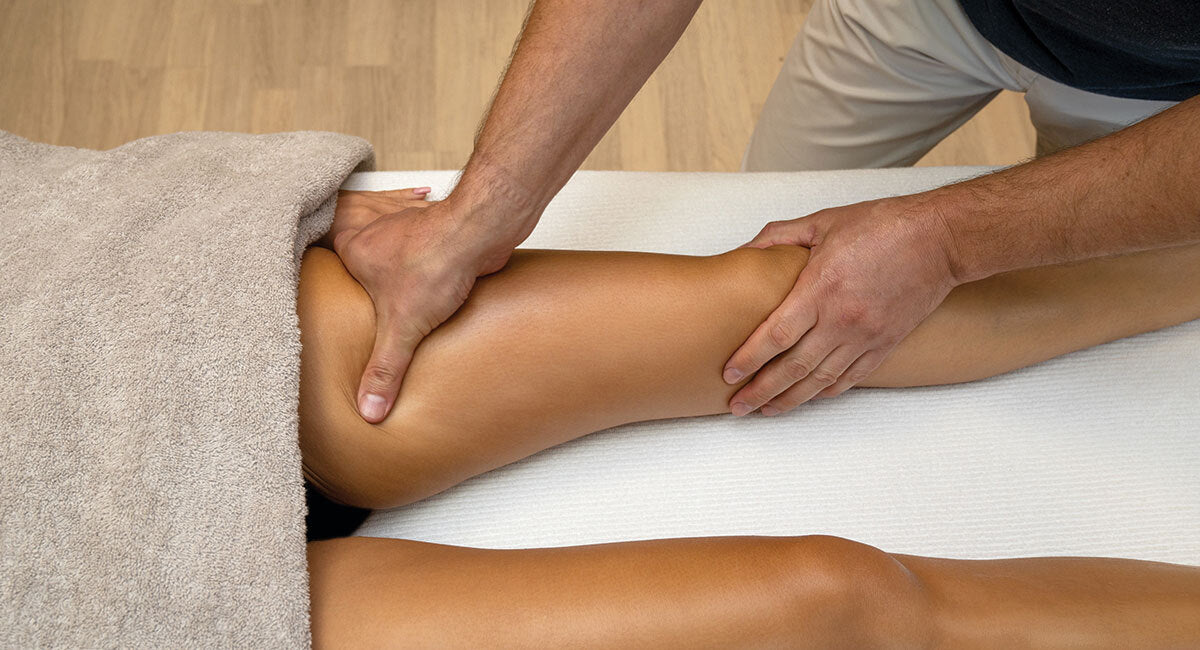
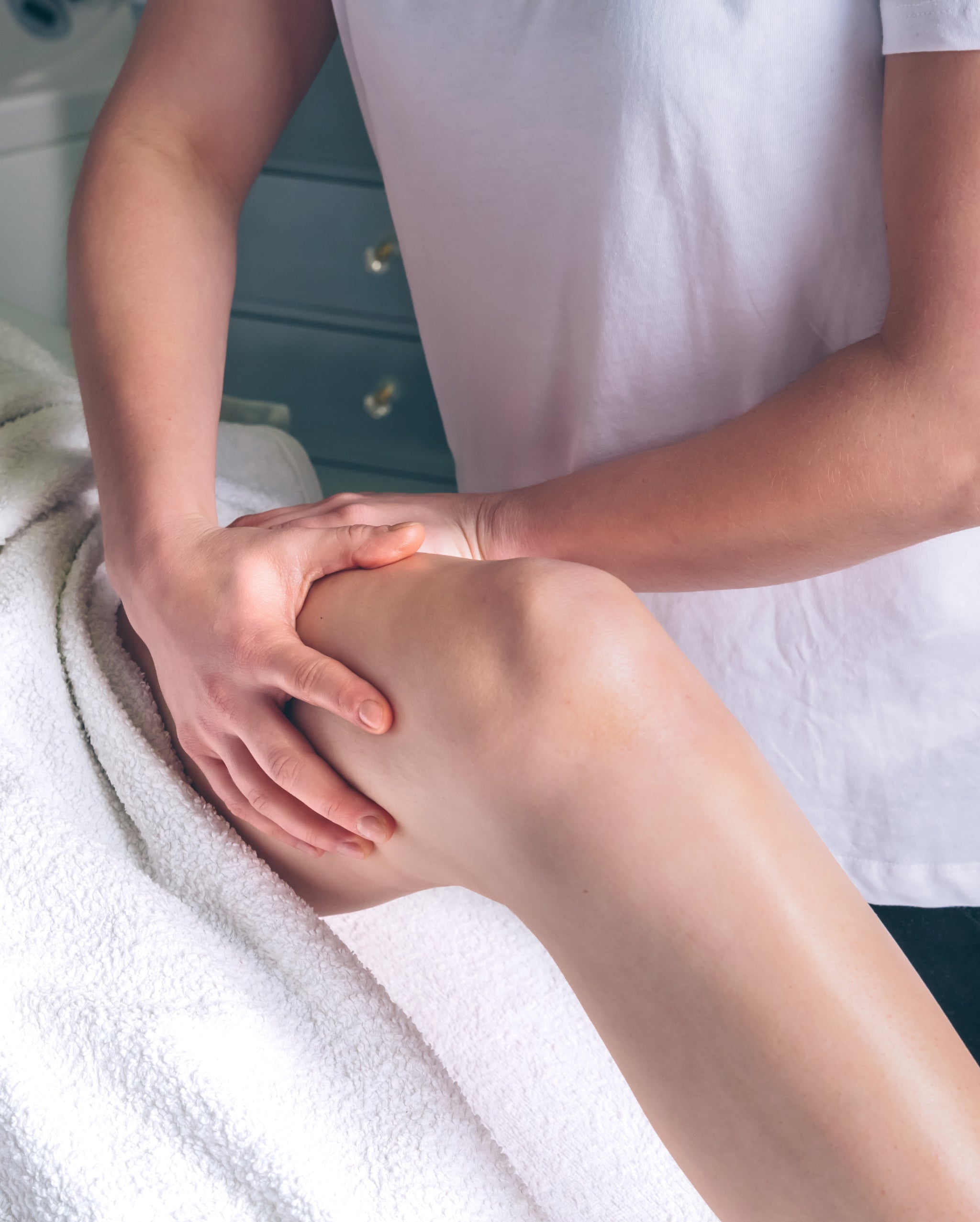
Manual lymphatic drainage is our most effective response to this feeling of heaviness. Through gentle, rhythmic movements, this treatment stimulates blood and lymphatic circulation, helps eliminate the excess fluid responsible for swelling, and provides an almost immediate feeling of lightness.
It is a treatment particularly sought after in two situations: as regular maintenance for people who suffer from recurrent heavy legs, especially in summer or after long days on their feet, and during the post-operative period, where it helps reduce edema and speed up recovery comfort, always in accordance with your surgeon's instructions.
The everyday actions that make a difference
Between sessions, a few simple habits significantly extend the benefits: engage in regular physical activity, walking in particular, which activates the calf muscle pump; elevate your legs for a few minutes at the end of the day; avoid standing still for prolonged periods; and end your shower with a blast of cool water on your legs, which helps constrict the blood vessels.
Our treatments
Take care of every aspect of your skin
One treatment, one goal. Choose yours. We’ll discuss it together during your free consultation.