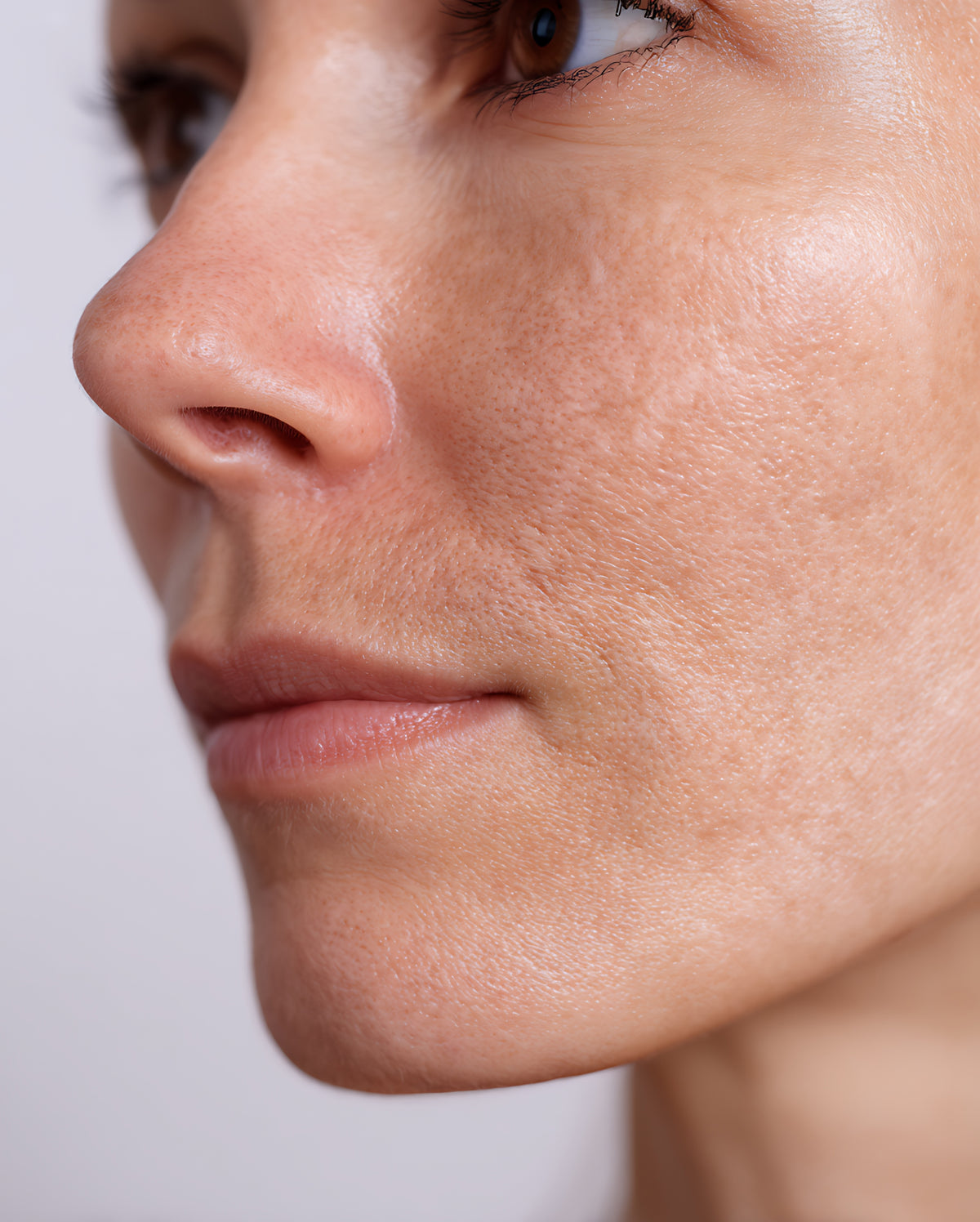
Dehydrated skin: how to recognize it and treat it
"My skin feels tight, even right after moisturizing it." This is often the first thing people with dehydrated skin say, and it is also what sets it apart from simply dry skin. The two are frequently confused, and this almost always leads to the same problem: an unsuitable skincare routine that never provides a lasting solution.
Here is how to tell the difference, recognize the signs, and, most importantly, what to do depending on your skin's needs.
Dry skin or dehydrated skin? Don't confuse the two
Dry skin
is a skin type, a lasting characteristic present year-round, that naturally produces less sebum than normal or oily skin. It needs to be nourished with body oils.
Dehydrated skin
is not a skin type, but a temporary condition. It lacks water, not necessarily oil, and can affect any skin type, including oily skin. This explains why your skin can look shiny in the T-zone while feeling tight on your cheeks: it is oily, but dehydrated.
The unmistakable signs
Dehydrated skin is generally characterized by several combined signs:
- Tightness, especially after cleansing
- A duller complexion that lacks bounce
- Fine dehydration lines, more pronounced at the end of the day
- A general feeling of discomfort, sometimes diffuse redness
- Skin that absorbs cream very quickly, as if it were "drinking" the product
If your skin shows these signs even though it is usually rather oily or normal, it is a good indicator that it is indeed dehydration, and not dryness.
Our approach
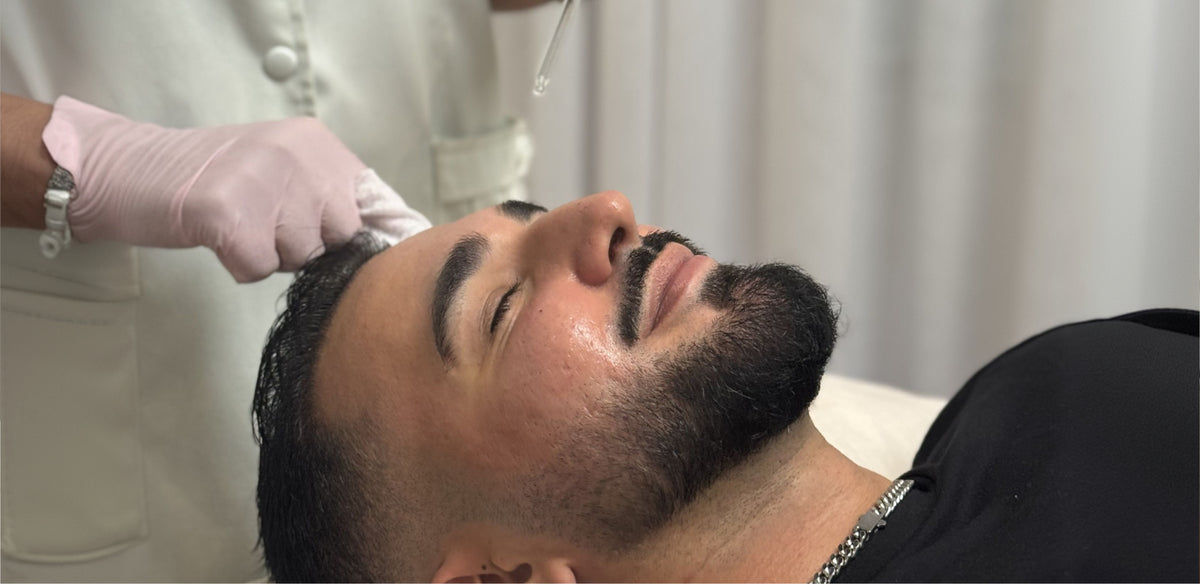
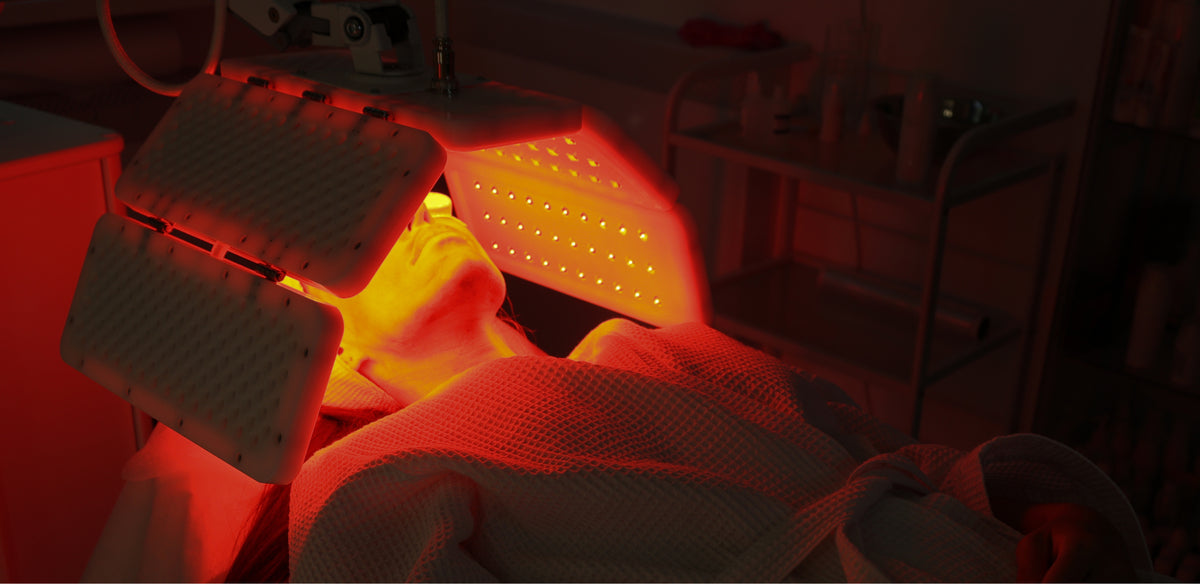
At SSSKIN, the protocol is always determined after a diagnosis during a free consultation: a peel to cleanse, light therapy to soothe inflammation, and then microneedling to repair residual marks.
How to care for it, daily and in the salon
Good everyday habits
Opt for gentle cleansers free from harsh sulfates that respect the skin barrier. Apply a moisturizer rich in hyaluronic acid, an active ingredient that retains water in the tissues rather than simply nourishing the skin on the surface. Tailor your skincare routine to your skin type: oily, dehydrated skin does not need the same textures as dry skin. And remember to protect your skin from the cold and the sun, two factors that increase water loss.
When your routine is no longer enough: our in-clinic solutions
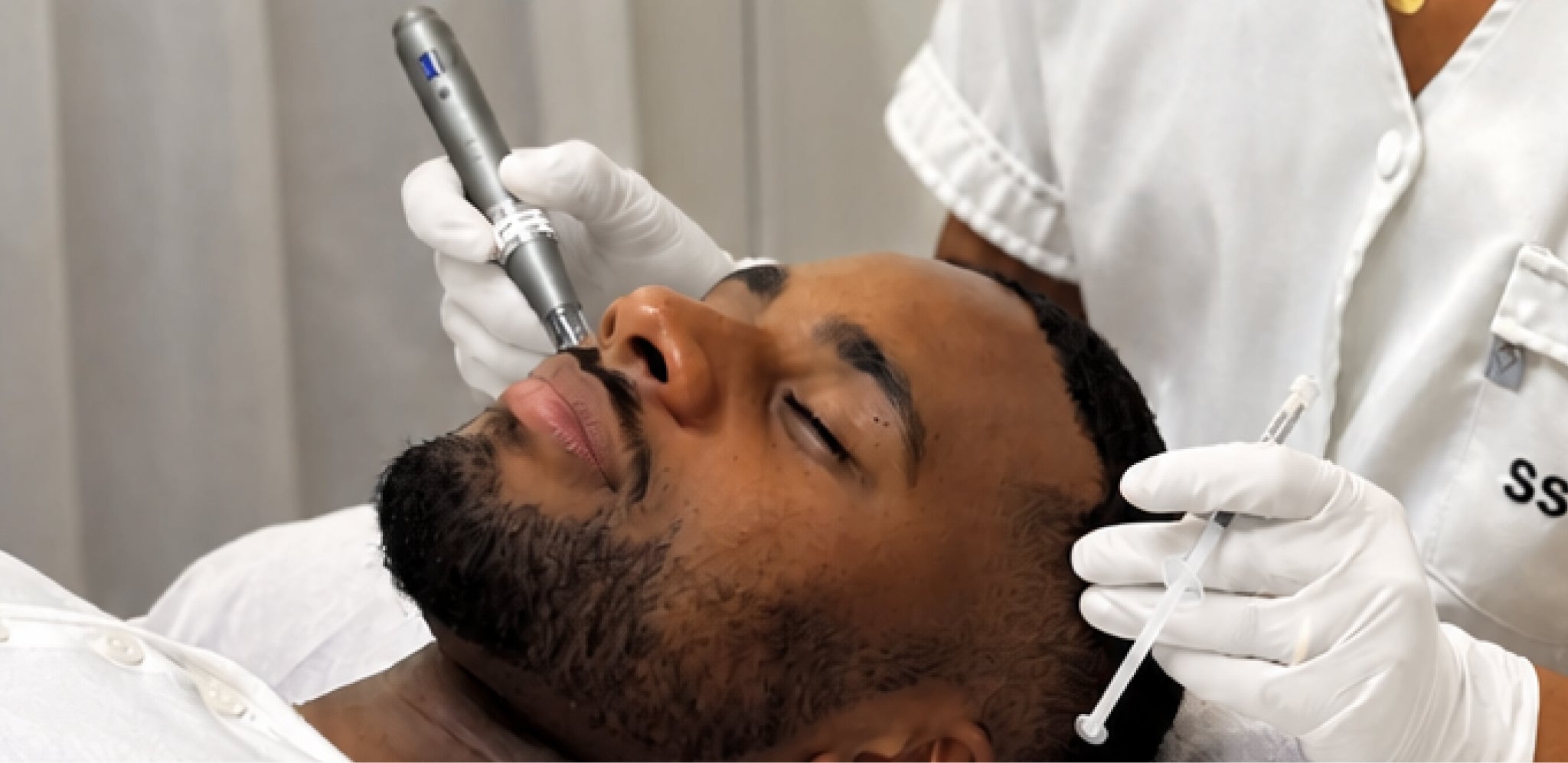
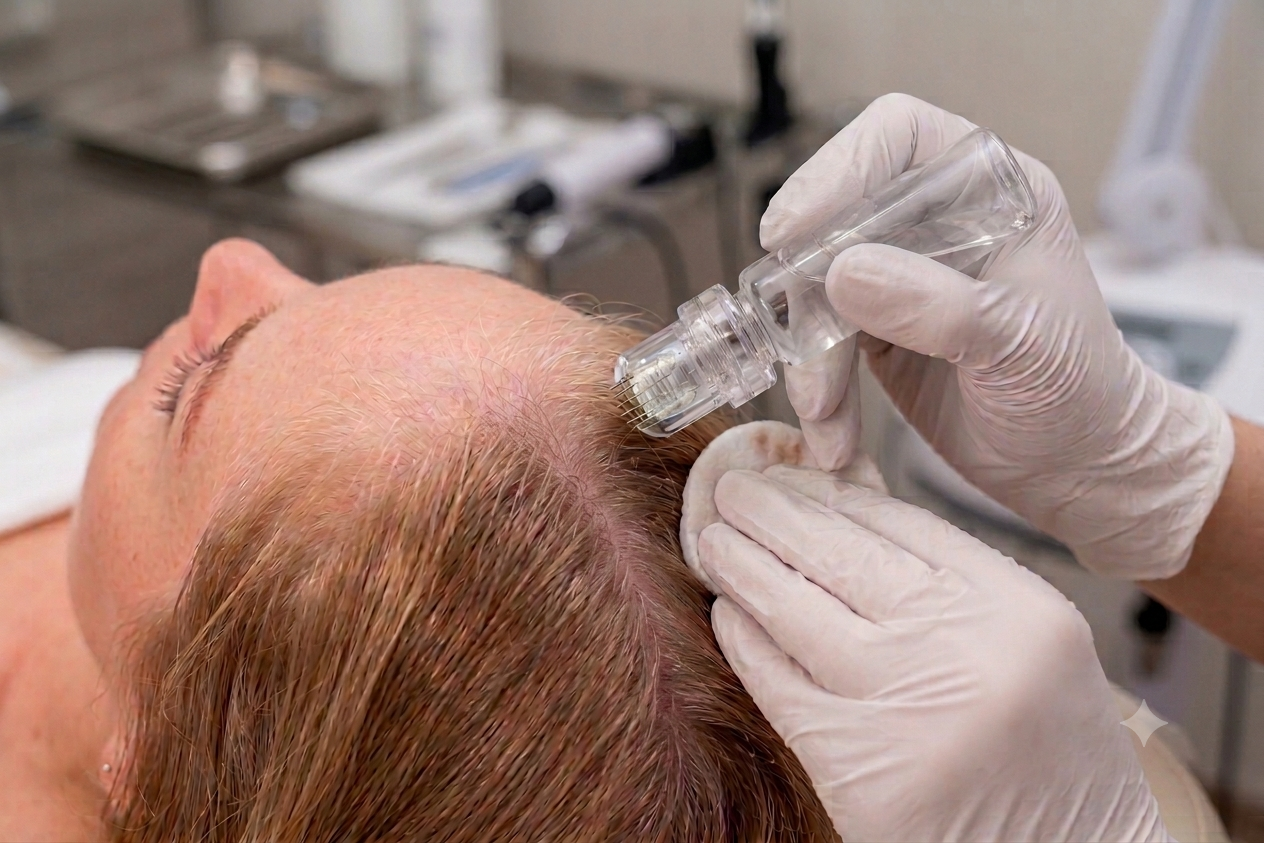
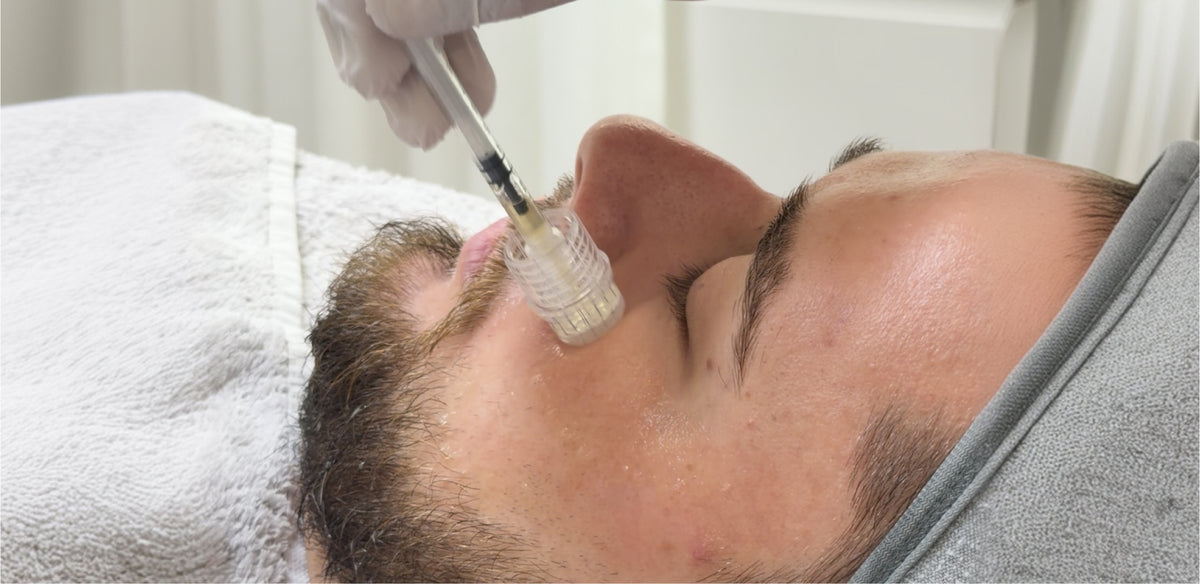
Microneedling
stimulates collagen production and improves the absorption of moisturizers applied immediately after the session—a real boost for skin that no longer retains moisture well.
LED light therapy
soothes and promotes regeneration, particularly suitable for sensitive dehydrated skin or skin prone to redness.
The peel
removes dead skin cells that prevent moisturizers from penetrating effectively, provided it is followed by proper rehydration, as a peel alone can temporarily increase the discomfort of already dehydrated skin.
Our treatments
Take care of every aspect of your skin
One treatment, one goal. Choose yours. We’ll discuss it together during your free consultation.