Pigmented spots: understand and treat each type
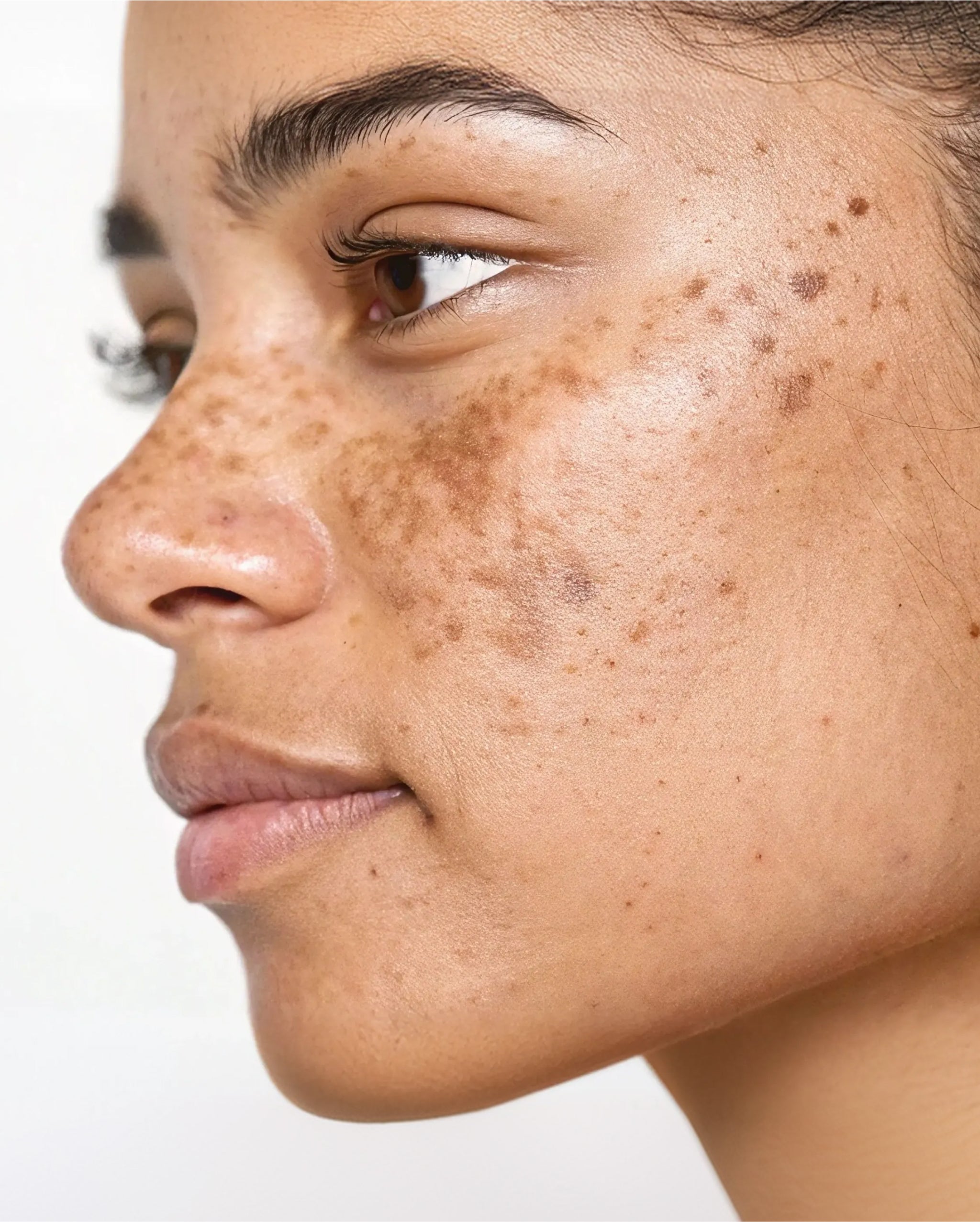
A pigmented spot is never "just" a spot. There are several types, with different causes and treatments, the best known being melasma, which affects around 11% of the population according to an international survey conducted among 48,000 people in 34 countries (Journal of the American Academy of Dermatology, 2024). But whether it is melasma, age spots or post-inflammatory marks, the main common cause remains the same: sun exposure.
Here, we explain why your spots appeared, how to recognize the type of pigmented spots you are facing, and above all, what really works to fade them.
Why do dark spots appear?
The skin produces melanin, the pigment that gives it its color, to protect itself from damage. When this production becomes excessive in one area, it is known as melanin overproduction, and this is what forms the dark spot.
Several factors trigger this process:
Sun exposure
by far the main cause. Prolonged exposure to UV rays, even without a visible sunburn, directly stimulates the production of melanin. This is why spots often appear on the face, hands, and décolletage, the areas most exposed over the years.
Skin aging
With age, particularly after 40, the skin becomes less effective at regulating its pigmentation. This explains the gradual appearance of age spots, even in people who protect themselves well.
Hormones
Pregnancy, birth control pills, hormone treatment: these changes can trigger a mask of pregnancy (melasma), a diffuse and symmetrical pigmentation on the face.
Skin inflammation
Acne, a cut, or irritation can leave a post-inflammatory mark once the skin has healed.
What types of pigmented spots do you have?
There are several types of pigmented spots, and confusing them often leads to inappropriate treatment.
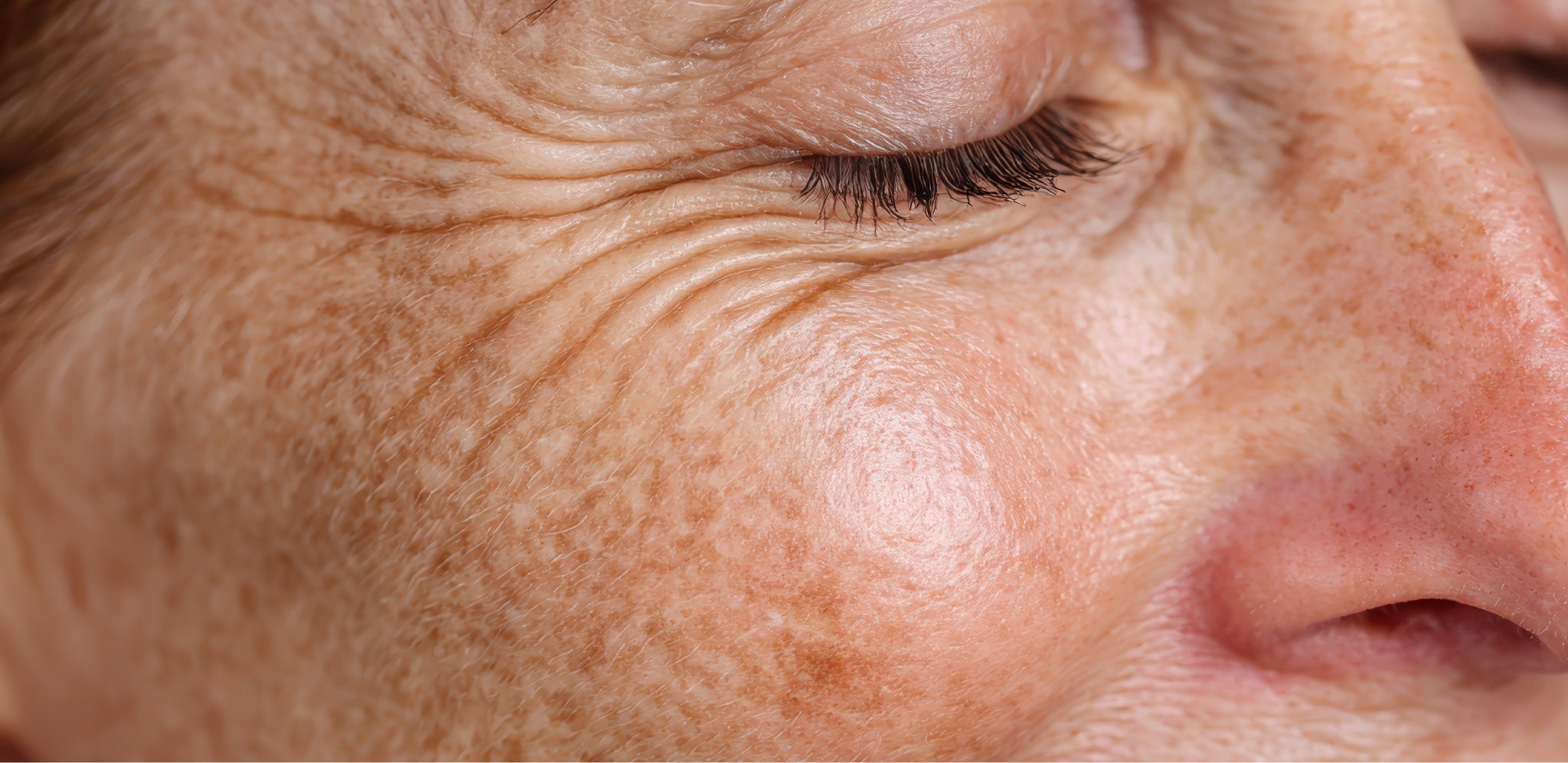
Age spots (solar lentigines)
Brown, well-defined, they appear on areas exposed to the sun for years. They are the most common after 40.
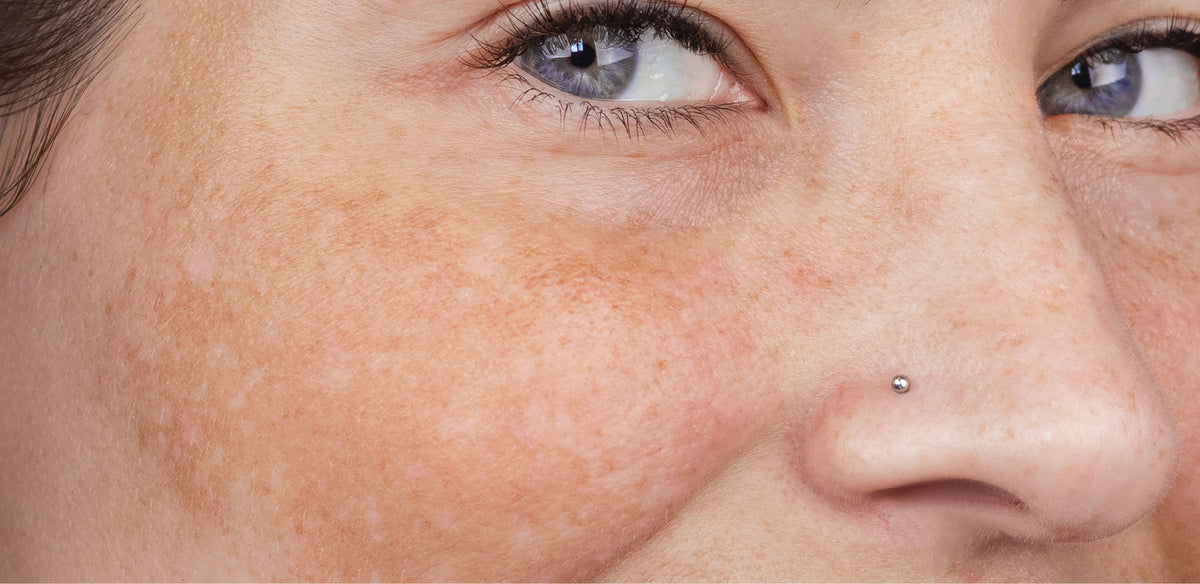
Melasma
More diffuse and symmetrical brown patches, typically on the forehead, cheeks, and upper lip. Linked to hormones and greatly aggravated by the sun, it is also the most difficult to treat permanently.
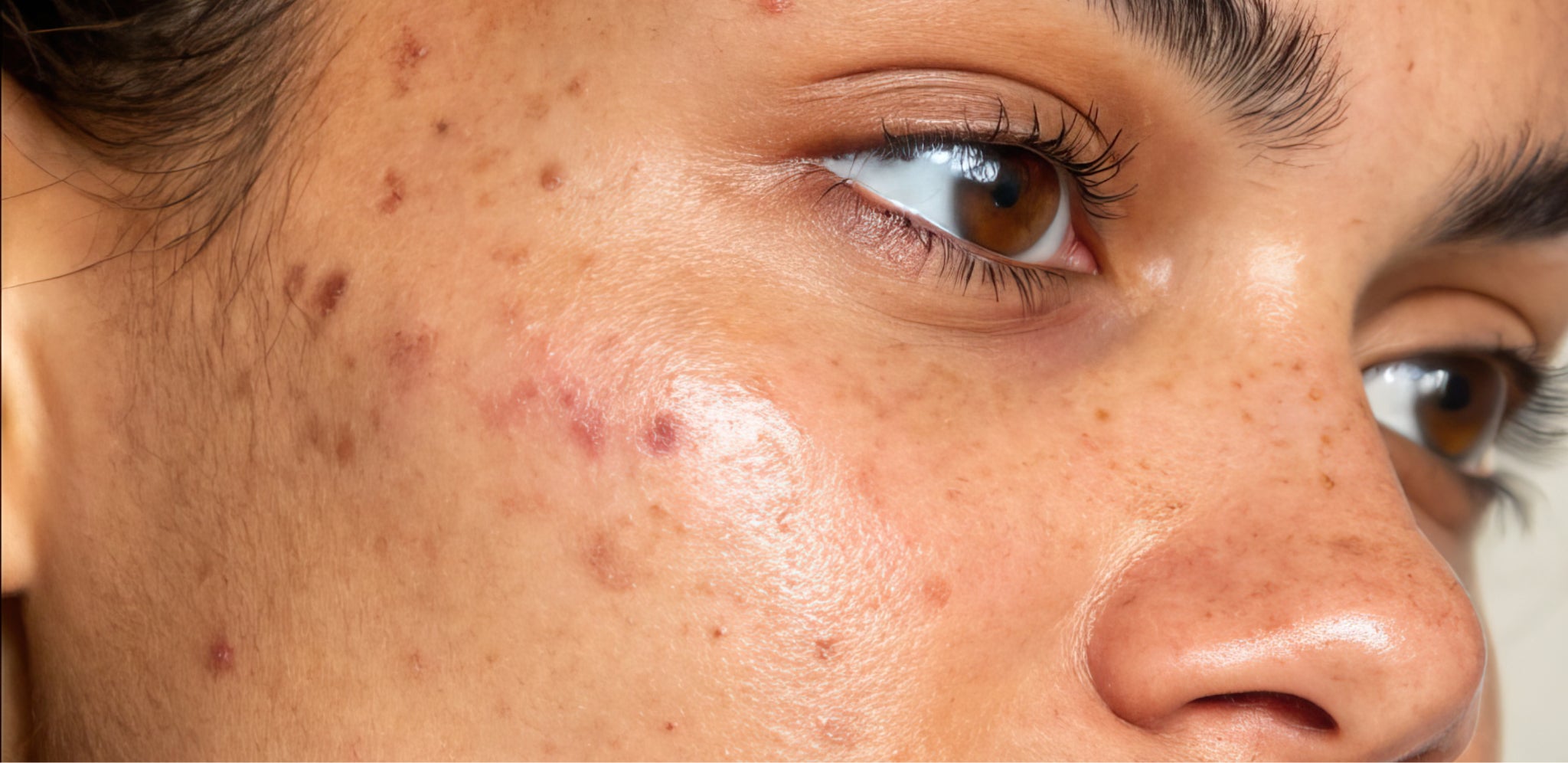
Post-inflammatory spots
A trace of color left after skin inflammation. Unlike the previous two, they often fade naturally over time.
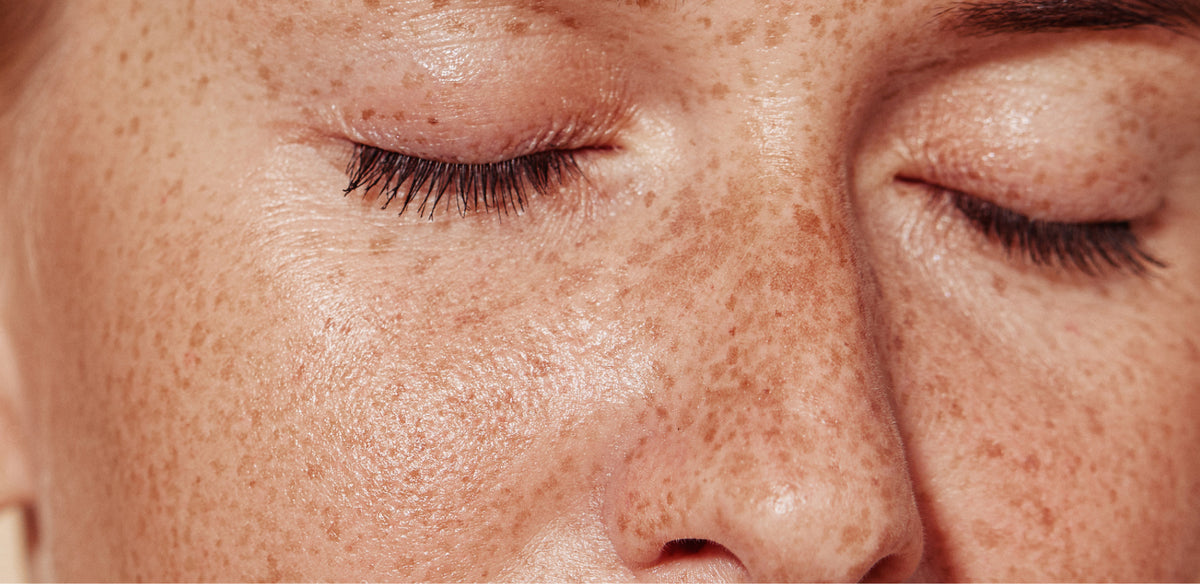
Freckles (ephelides)
Small genetic spots, present since childhood, that darken with sun exposure.
Our solutions to effectively mitigate them
This is currently the approach that achieves the most visible results on established scars, as it acts directly on collagen production rather than on the surface of the skin.
Depigmenting cosmetics: useful for maintenance, limited on their own
Vitamin C or niacinamide serums modestly slow down melanin production. They can help even out the complexion for very superficial spots, but remain ineffective on established melasma or a pronounced age spot.
Price : 40 to 90 CHF per product, to be continuously replaced, without ever treating the cause.
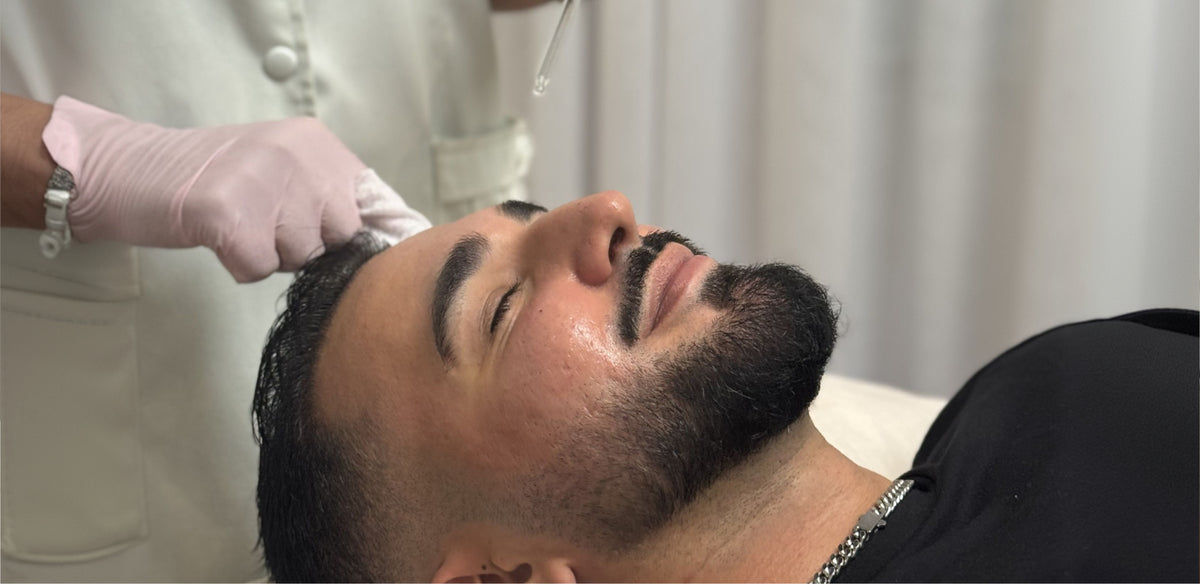
The depigmenting peel
A professional chemical peel that accelerates cell turnover and gradually eliminates pigmented surface cells. Particularly effective on age spots and post-inflammatory marks. Visible results from the first few sessions.
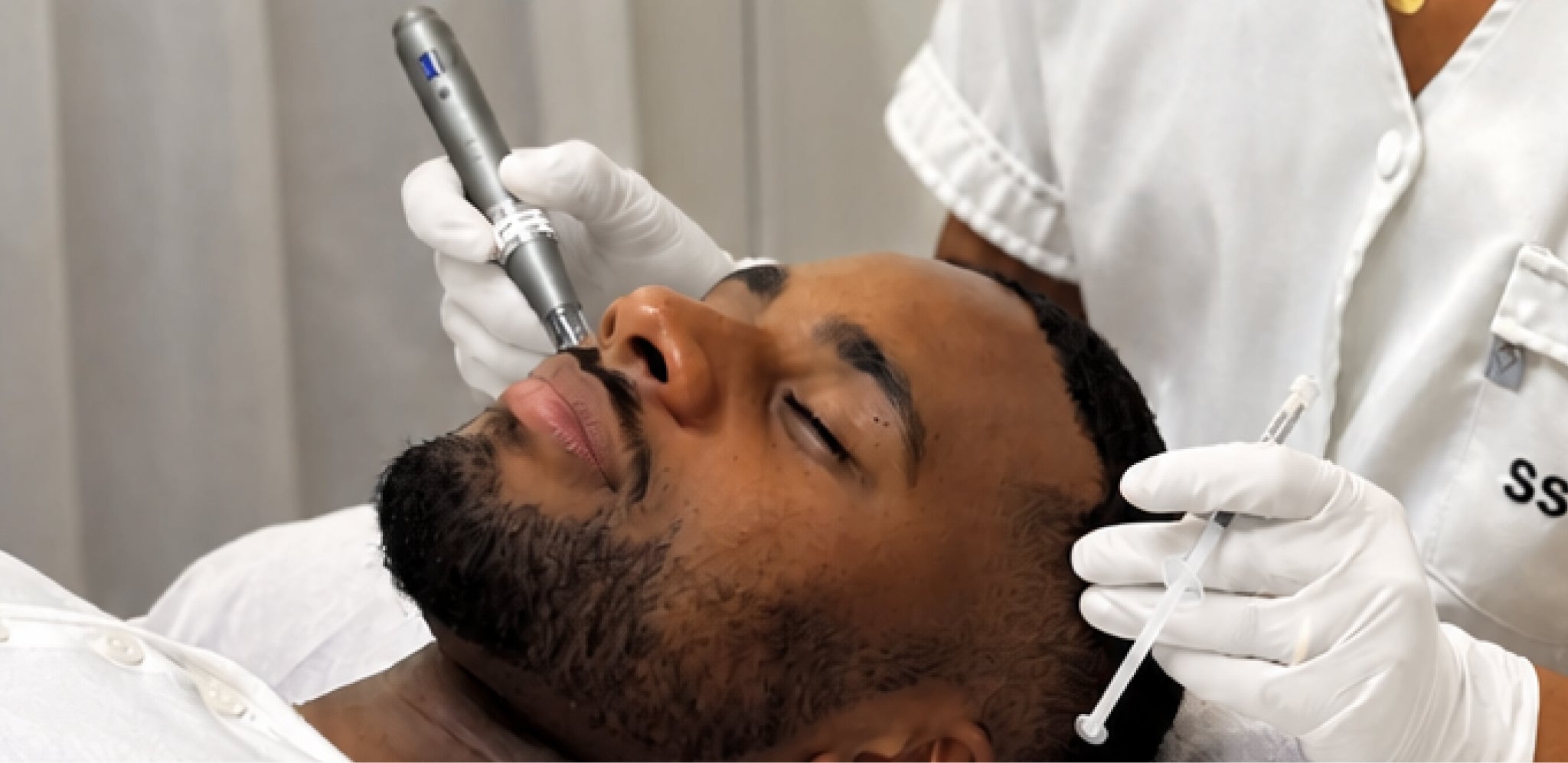
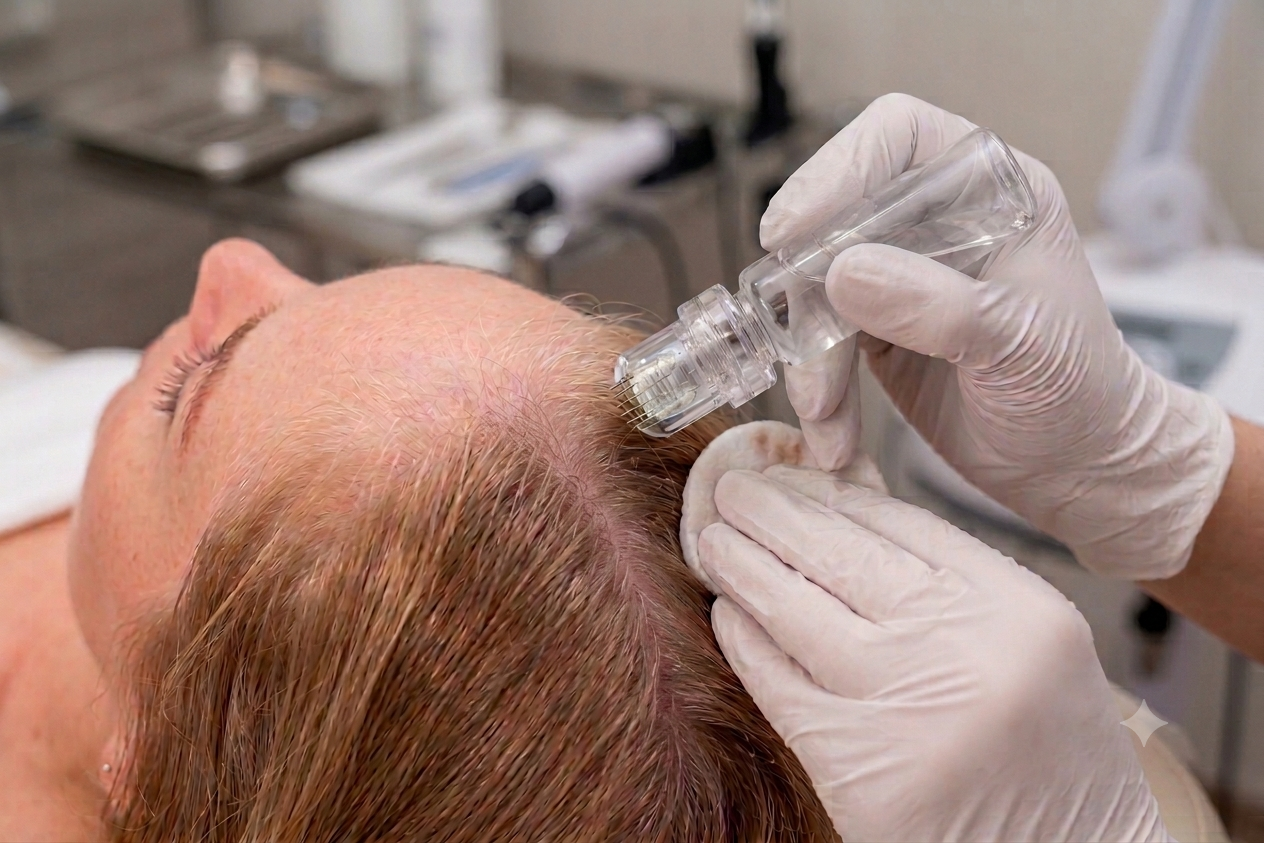
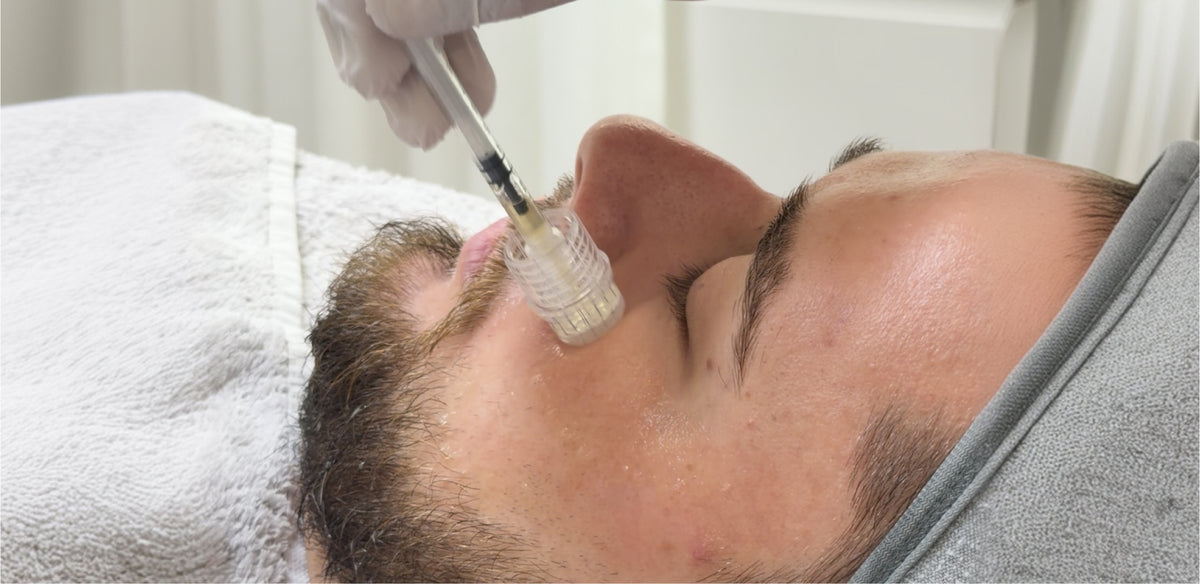
Microneedling
By stimulating skin regeneration, it improves skin tone evenness and enhances the effectiveness of depigmenting treatments applied immediately after the session.
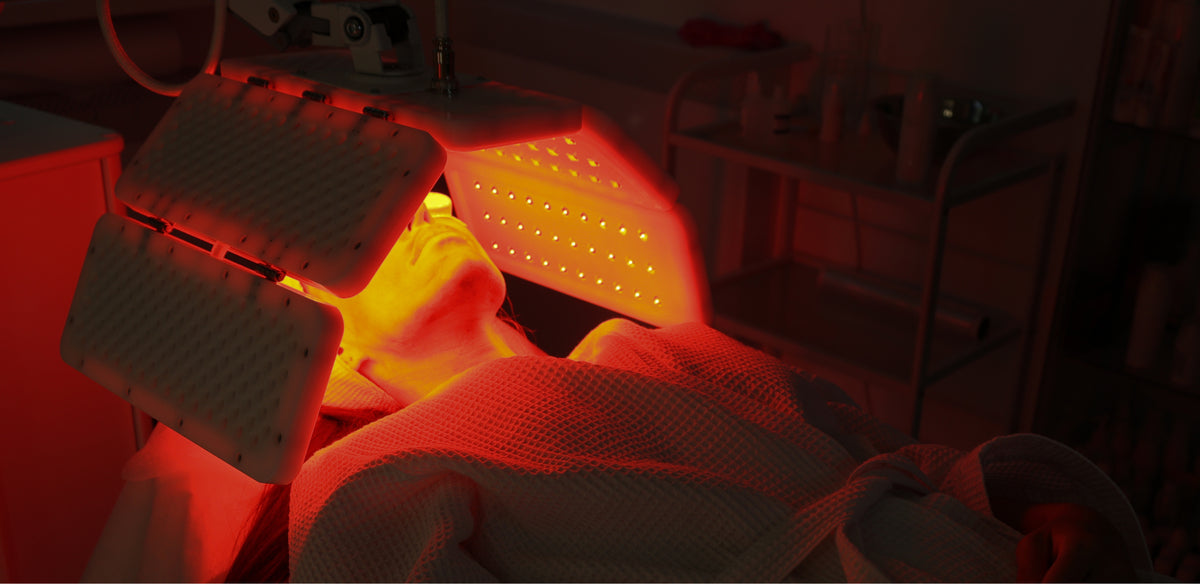
LED light therapy
A gentle treatment that reduces residual inflammation, useful as a complement for post-inflammatory spots and sensitive skin.
Our approach
At SSSKIN, the treatment plan is always determined after diagnosing the type of dark spot during a free consultation, as some spots require a more cautious and gradual approach than others to avoid any rebound effect.
What you need to know before getting started
How long before seeing results?
It depends on the type of dark spot. Age spots and post-inflammatory spots generally respond quickly, within a few sessions. More diffuse and hormonal spots require more patience and monitoring over several months.
Can the spots return after treatment?
Yes, some more than others, particularly those of hormonal origin, which require ongoing management rather than a definitive treatment. This is why daily sun protection is an integral part of the protocol, not just a recommendation at the end of treatment.
How to prevent new spots from appearing?
Daily sun protection with SPF 50, including in winter and on cloudy days, remains the most effective way to prevent dark spots from appearing and to preserve the results achieved.
Our treatments
Take care of every aspect of your skin
We have also compiled a top 10 list of the benefits of laser hair removal, which you can find here: why-get-laser-hair-removal-10-epic-benefits