
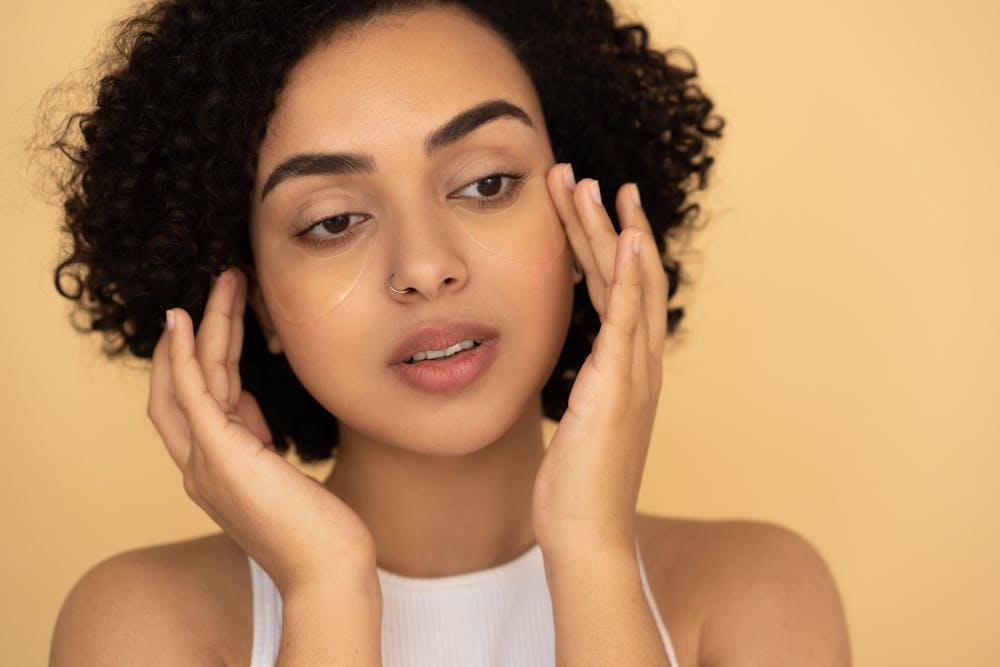
Discover the benefits of collagen for facial skin and how to stimulate its production with simple habits and with the PRP facial treatment from SSSKIN.
Collagen is one of the essential elements for preserving youthful skin and its long-term elasticity. However, over the years, the body produces less and less of this protein, which can degrade skin quality and accelerate its aging.
To maintain young, firm, and smooth skin, we reveal the miraculous benefits of collagen, how to compensate for its deficiency, and stimulate its production for skin that radiates glow and health.
First, what is collagen?
Collagen, also known as the protein of youth, is a structural protein made up of amino acids. It is a major protein in the human body, as it alone accounts for 30% of all proteins produced by the body. It is the main component of our skin, and its effects extend throughout the body by providing strength, elasticity, and regeneration of epidermal tissues and organs.
There are different types of collagen, with varied compositions and properties. But what type of collagen is naturally present in the skin? We will discuss this later in the article.
Benefits of collagen for the skin
- Fights dehydration. Collagen helps retain moisture in the skin, promoting better hydration.
- Counteracts signs of aging (fine lines and wrinkles). Thanks to its hydrating and regenerating power, collagen prevents and reduces the appearance of fine lines and wrinkles on the face and bust, making them smoother and less creased.
- Combats skin sagging. Collagen, in combination with elastin, another essential protein for the epidermis, preserves the skin's elasticity, suppleness, and firmness, and maintains its bounce.
- Strengthens the skin's protective barrier. Collagen protects the skin from external aggressions such as sun, cold, and pollution.
- Anti-free radical and antioxidant action. Collagen strengthens the skin's structure and protects it from the effects of free radicals, the main cause of premature skin aging.
- Accelerates healing. By stimulating the production of new skin cells, collagen helps heal blemishes and scars.
What are the different types of collagen present in the skin?
Scientific reports state that there are 28 types of collagen, each with different compositions, structures, and functions.
Two types of collagen stand out due to their high concentration in the body and skin: type I collagen and type III collagen.
Type I Collagen
With a concentration of nearly 90%, type I collagen is present in the skin as well as in other connective tissues such as tendons and bones. Its role? It provides the skin with structural support, tone, and high resistance. This type of collagen is used in cosmetic products such as anti-aging creams and serums, and in food supplements such as collagen-based capsules to maintain skin, hair, and nails.
Type III Collagen
Type III provides flexibility and elasticity to the skin. Like type 1, it is used in the composition of cosmetics and food supplements.
When do we lose collagen?
Over time, your body experiences a decrease in collagen production – approximately 1% each year from the age of 25, and from the age of 40, collagen loss accelerates massively, reaching up to 30% after 70 years of age.
The older we get, the more our body struggles to synthesize and maintain collagen.
And this decline is not without consequences: the epidermis becomes fragile, withers, and the first signs of aging appear, such as an irregular skin texture, sagging skin, and loss of elasticity.
What are the other causes of collagen decline in the skin?
In addition to age, other factors contribute to this regression of collagen in the body, including:
- excessive exposure to the sun's UV rays damages collagen fibers,
- poor eating habits can inhibit collagen production,
- an unbalanced lifestyle, including excessive alcohol consumption, smoking, insomnia,
- oxidative stress causes the progressive destruction of collagen, leading to the appearance of wrinkles and dryness,
- hormonal changes, particularly during menopause. Women during this period experience a degradation of estrogens, which also affects the maintenance of collagen.
How to stimulate collagen production in the skin?
Collagen-rich diet
Collagen naturally exists in various foods that promote its production in the body. A diet rich in sulfur, vitamins A, C, E, as well as zinc and amino acids promotes the synthesis and stimulation of collagen fibers, which helps regenerate the skin and slow down the effects of aging.
Here are some of the most collagen-rich foods you can incorporate into your diet:
- bone marrow, dairy products, red berries, kiwi, avocado, rich in antioxidants and vitamin E
- salmon, garlic, eggs, sprouted seeds, oilseeds, rich in good fats
- legumes and green vegetables, excellent sources of protein, fiber, and minerals
Food supplements
To compensate for collagen deficiencies, you can use food supplements based on collagen and vitamins to provide significant benefits to your skin. You can take supplements based on:
- vitamin C to boost collagen in the body.
- vitamin A to maintain skin elasticity.
- vitamin E, rich in antioxidants, to slow down the signs of aging.
- zinc to fight oxidative stress and thus aging.
But what is the best collagen for the skin?
Collagen-based treatments can be of marine or bovine origin.
Marine Collagen
Extracted from the skin or cartilage of fish and shrimp. It is generally composed of type 1 collagen, which is known for its skin benefits in addition to its high concentration of antioxidants, vitamin E, vitamin C, and zinc. It has a low molecular weight and is therefore efficiently assimilated by the body, allowing the skin to obtain maximum benefits, and its effects are more lasting.
Marine collagen is used to reduce wrinkles, increase suppleness and hydration, and prevent premature skin aging by protecting it from oxidative stress.
Bovine Collagen
Rich in amino acids, bovine collagen is a natural protein extracted from connective tissues, including the skin, bones, and tendons of bovines (cows, beef…).
Its strong point: it helps the body produce its own type I collagen.
Its weak point: it is difficult for the body to absorb, so its effects are less effective and lasting than marine collagen. But it shares the same benefits as marine collagen, meaning it plumps, smooths, and delays aging.
Collagen-based cosmetic products for the skin
Collagen, when used as a cosmetic treatment, primarily acts on the skin's surface, giving it a more uniform appearance and blurring the look of fine lines and wrinkles.
Collagen-based treatments can come in the form of:
- anti-aging serum: a collagen serum with a more fluid texture, allowing it to penetrate the skin easily and act deeply. It helps plump the skin and smooth wrinkles,
- collagen facial cream: a cream based on collagen, peptides, and vitamin C can be used as a day or night cream,
- collagen ampoule: used as a treatment, collagen ampoules with peptides and vitamin C are known to be more powerful. Hyper-fluid and easy to penetrate the skin, just like a serum,
Stimulate collagen in the skin with the SSSKIN Facial PRP treatment
Facial PRP or Vampire Lift is an exceptional treatment containing growth factors that help naturally restart collagen and elastin production and cell regeneration.
Facial PRP repairs tissues damaged by the effects of UV rays and free radicals, which are the main triggers of premature skin aging. But thanks to its regenerative action and its ability to boost the formation of new collagen fibers, the skin regains a remarkable youthful and fresh look.
Platelet-rich plasma is derived from your own blood, so there is no risk of side effects!
Why do it at SSSKIN? We offer the best PRP technology on the market, ULTIM® technology, which has an electronic control system that ensures increased precision during plasma injections into the skin. It allows the correct dose of PRP to be injected at the correct depth and without pain.
For a facial PRP treatment at SSSKIN, you can count on the expertise of our qualified therapists. Book your first free consultation.




Share: