
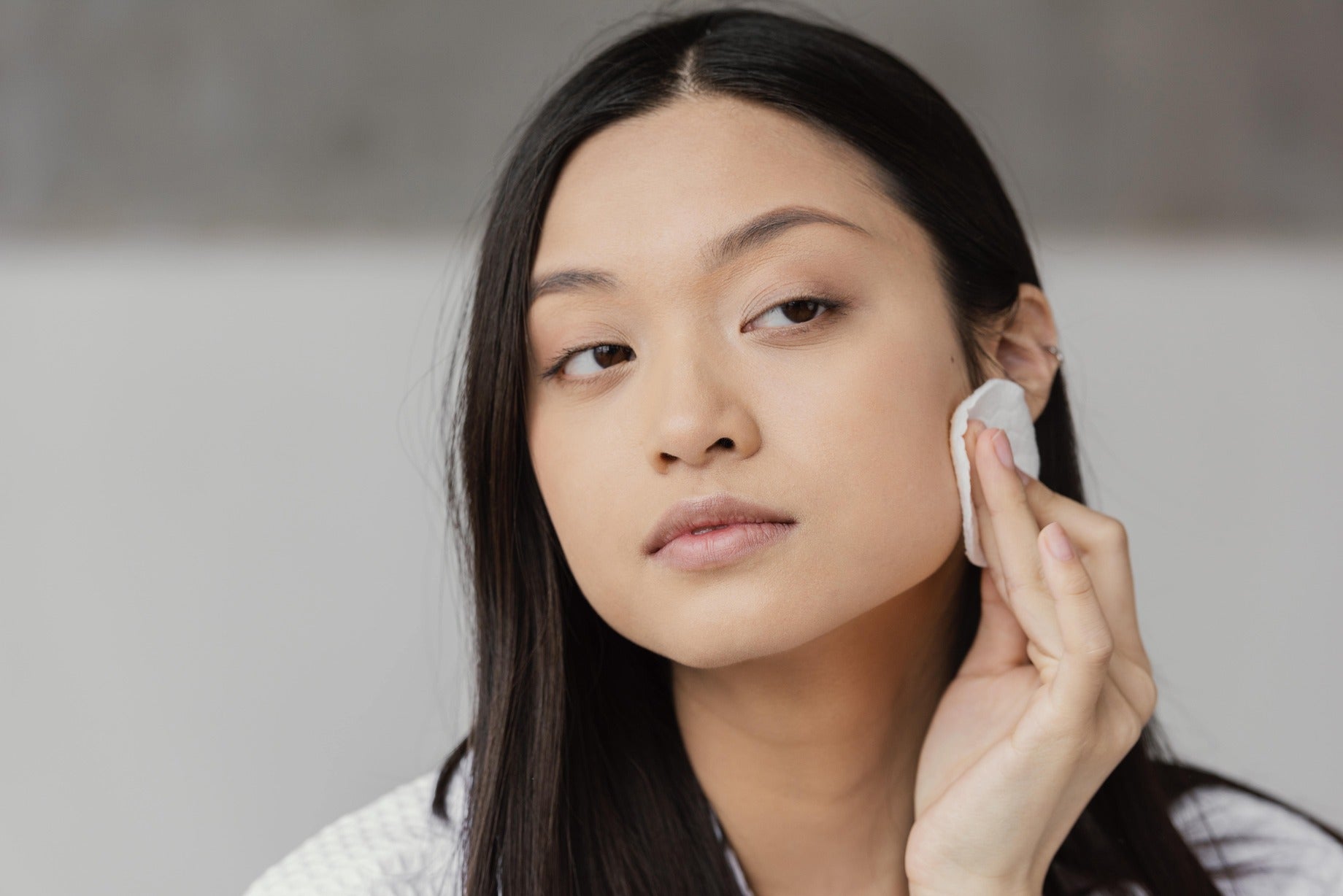
Adapting your routine when you have Asian skin is not a marketing gimmick; it's dermatological common sense. Asian skin phototypes more often show a tendency towards post-inflammatory hyperpigmentation (PIH) and melasma. The result: anything that irritates (acne, friction, overly strong treatments, sun, visible light) can leave a lasting dark spot. The goal of an effective routine is therefore not just to "lighten": it's mainly about preventing inflammation, protecting against UV and visible light, then gently correcting.
This guide offers a clear method: understand the specificities, identify your priority (melasma, PIH, blemishes), set up an adapted AM/PM home routine, and know which in-office options to prioritize... without triggering adverse effects.
Specificities & Frequent Pitfalls
PIH occurs after a pimple, eczema, an abrasive treatment, or even simple repeated friction: the skin darkens after the irritative episode. The higher the phototype, the greater the risk of a lasting spot. Prevention relies on gentle gestures and a strict SPF.
Another key point for Asian skin: visible light (including blue light). It can worsen melasma and some hyperpigmentations. Screens are not the only culprit: diffuse sunlight, reflection on windows, or indoor lighting also contribute. Hence the benefit of tinted sunscreens (containing iron oxides) which better protect against the visible spectrum than a classic untinted sunscreen.
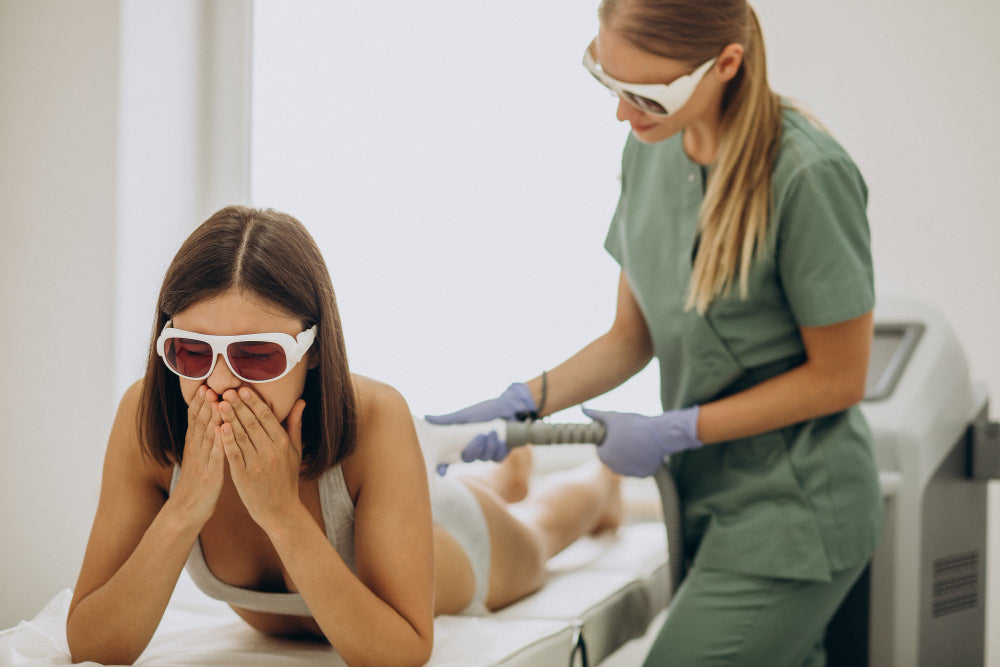
Finally, caution with energetic procedures (IPL, poorly calibrated lasers, strong peels): they can trigger PIH in Asian phototypes. The operator's "skin of color" experience, the choice of parameters, and preparation/photoprotection are essential.
Identify Your Main Concern

Before treating, name the enemy:
-
Melasma: symmetrical brownish patches (cheeks, forehead, upper lip), variable depending on hormones and exposure.
-
PIH: post-pimple or post-irritation spots, often localized or in streaks.
-
Persistent imperfections: micro-inflammations, blackheads, uneven texture that maintains PIH.
In case of doubt, a professional diagnosis (dermatologist) refines the plan: epidermal vs. dermal melasma, the role of visible light, hormonal factors, associated eczema/dermatitis, etc.
Daily Routine - Home Protocol
Morning (AM)
-
Gentle cleanser (non-stripping gel/milk) to preserve the barrier.
-
Antioxidant: vitamin C (stable derivatives) for radiance and pigment regulation or niacinamide if skin is reactive/oily (sebum, redness, tolerance).
-
SPF 50+ broad-spectrum sunscreen, ideally tinted (iron oxides) to also protect against visible light. Reapply every 2-3 hours in case of exposure or use a tinted cushion/stick for touch-ups.
Evening (PM)
-
Gentle double cleansing if wearing makeup/sunscreen (balm/milk then aqueous gel), otherwise one cleanse is sufficient.
-
Targeted active ingredient as needed:
-
Azelaic acid 10-15%: post-acne PIH, redness, sensitive skin.
-
Tranexamic acid 2-5%: stubborn melasma/PIH for maintenance.
-
Progressive retinoid (retinal, adapalene) 2-3 nights/week to stimulate cell turnover and smooth texture.
-
-
Unscented moisturizer (ceramides/glycerin) to strengthen the barrier.
Hydroquinone: useful for melasma/PIH but only in medically supervised courses (treatment windows, weaning, strict photoprotection).
Exfoliation & "Asian Skin-Friendly" Actives
For exfoliation, think gentleness and regularity:
-
Mandelic acid (large molecule AHA) or lactic acid: 1-3 times/week depending on tolerance. Their slower penetration limits irritation.
-
Salicylic acid (BHA) in alternation if acne/visible pores: it deeply unclogs and helps post-pimple PIH, provided it remains progressive.
Avoid over-exfoliation (mechanical or cumulative acids), especially if you are already using a retinoid: more is not better.
What Works In-Office (With Caution)

-
Superficial peels (mandelic, salicylic, low-percentage glycolic) in spaced series: effective on acne and PIH, with a good tolerance profile on Asian skin if preparation, parameters, and photoprotection are mastered.
-
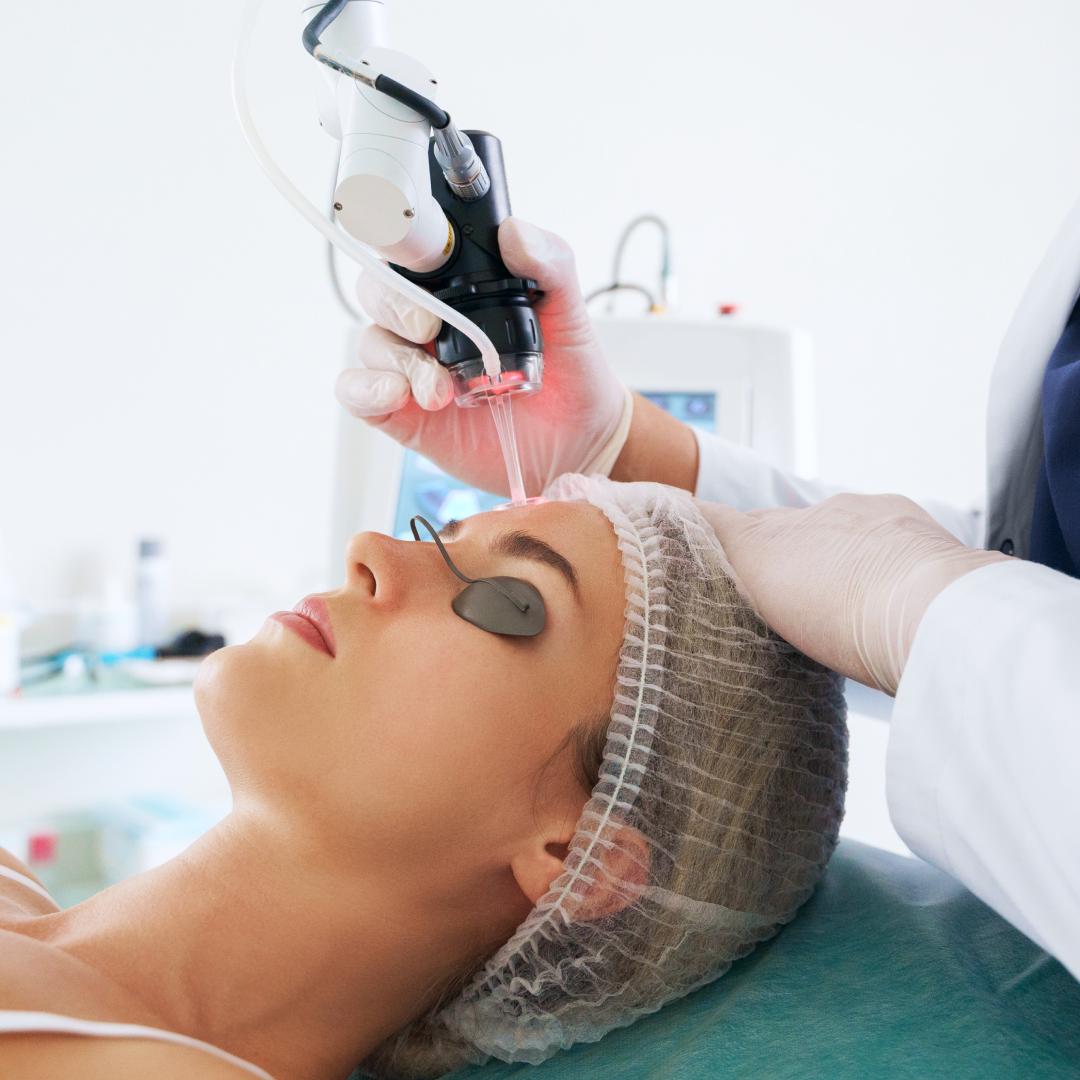
Low-fluence pigment lasers (Nd:YAG 1064 nm, sometimes pico): useful for refractory melasma and dermal pigment. The setting must remain conservative, with eye protection and a maintenance protocol (SPF, antioxidants, topicals).
-
Combined plans (topicals + peels ± laser) often yield superior and more lasting results, provided there is follow-up and long-term prevention (tinted SPF).
Mistakes to Avoid
-
Rubbing/scratching pimples or "popping" them: this is the best way to create PIH.
-
Cumulative acids/retinoids and concentrated home peels: irritation → rebound pigmentation.
-
Lemon/DIY recipes: irritating, photosensitizing.
-
Insufficient SPF (too little quantity, no touch-ups) or untinted sunscreen in cases of melasma/PIH sensitive to visible light.
Typical Routines (Ready-to-Use Examples)
1) Objective: Post-Acne PIH
-
AM: gentle cleanser → Vit C → tinted SPF 50+.
-
PM: double cleanse → azelaic acid (or niacinamide if very sensitive skin) → moisturizer; add retinoid 2-3 nights/week.
-
Plus: mandelic peel 1x/week if well tolerated.
2) Objective: Melasma
-
AM: cleanser → tinted SPF 50+ (strict touch-ups) ± niacinamide.
-
PM: tranexamic serum ± niacinamide; progressive retinoid if tolerated.
-
If unsuccessful: series of gentle peels then low-fluence Nd:YAG 1064 with an expert.
3) Reactive Skin
-
AM: milky cleanser → niacinamide → tinted SPF 50+.
-
PM: gentle cleanser → azelaic acid 2-3 nights/week → barrier moisturizer; introduce retinoid very slowly (1 night/week then +1/week).
Conclusion
Caring for Asian skin relies on three pillars: preventing inflammation, protecting (UV and visible light), then correcting progressively. A well-designed home routine (niacinamide, vitamin C, azelaic acid, retinoid) and daily tinted photoprotection already put you on the right track.
For stubborn spots, superficial peels and, if necessary, a low-fluence Nd:YAG 1064 from a "skin of color" practitioner can safely go further. Consistency pays off: it's better to progress slowly... but without PIH.
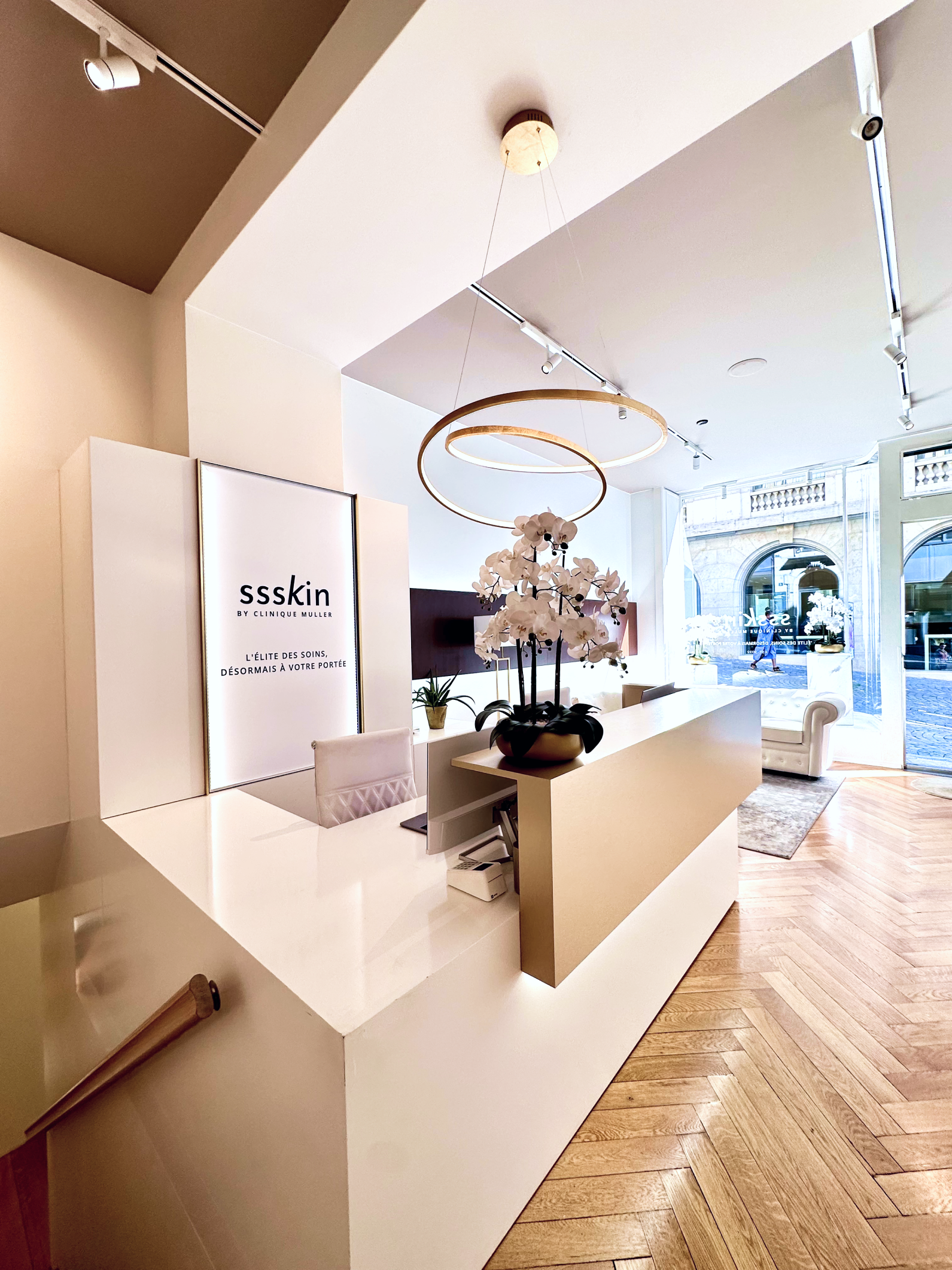
Want a more even complexion, safely? Book your personalized consultation at SSSKIN in Lausanne or Geneva and leave with an AM/PM routine and a customized treatment plan.
FAQ
Do I need daily SPF if I have darker skin?
Yes. SPF protects against UV and, in its tinted version, helps against visible light, two major triggers of melasma and PIH.
Which acid is the mildest?
Mandelic acid is often better tolerated (slower penetration). Lactic acid is another "soft" option.
Is laser safe for Asian skin?
Yes, if conservative parameters are chosen (e.g., low-fluence Nd:YAG 1064) and the practitioner is experienced with Asian phototypes.
Does tranexamic acid (TXA) really help?
Topical and oral data are increasingly solid for melasma; oral indication is discussed on a case-by-case basis, medically.
How long does it take to see improvement?
Allow 8-12 weeks for a pigmentary routine. Procedures accelerate the result, but maintenance (tinted SPF + gentle actives) remains key.



Share: