
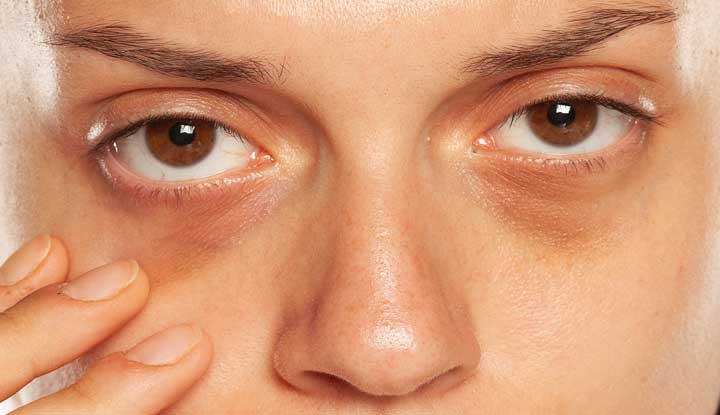
Not all "brown dark circles" are alike. Some are pigmented (excess melanin), others are vascular (bluish-purplish tint due to blood vessels), and still others are shadows accentuated by an anatomical hollow under the eye. Identifying the correct type is the first step toward an effective action plan.
This guide explains how to recognize pigmented dark circles, useful home remedies, and in-office options for more lasting results.
Pigmented Dark Circles: Definition and Signs
Pigmented dark circles refer to peri-orbital hyperpigmentation. This can be epidermal (superficial melanin), dermal (deeper), or mixed. Visually, the shade is typically a homogeneous brown/dark brown and remains visible even in bright light, without turning distinctly blue or purplish.
Simple observation can already differentiate a diffuse brown (more likely pigmented) from a thin bluish circle (more likely vascular) or a shadow that diminishes when the skin is slightly stretched (more likely related to volume).
Causes and Risk Factors

Several factors often combine: genetic/ethnic predisposition, UV exposure, dermatitis/eczema with repeated rubbing, post-inflammatory hyperpigmentation after irritation or allergy, and unsuitable cosmetics around the eyes. Darker skin types are more prone to this and can show more pronounced marks after inflammation.
During a consultation, examination under a Wood's lamp or by dermoscopy helps distinguish between an epidermal pigment (which is accentuated under Wood's lamp) and a dermal pigment (which is little changed), guiding treatment and expectations.
Self-Assessment at Home
Start by observing the dominant color: uniform brown that remains visible regardless of lighting = probably pigmented; bluish-purplish that varies with temperature or fatigue = often vascular; shadow that diminishes when the skin is gently stretched = anatomical factor.
Monitor the evolution: a unilateral dark circle, pain, persistent irritation, or diagnostic doubt warrants a consultation, especially if you have a history of eyelid eczema or allergies.
Home Routine: The Basics That Work
Photoprotection and Daily Habits
Photoprotection is non-negotiable if you want to lighten brown dark circles and prevent recurrence. Use a broad-spectrum SPF 30+ every morning, ideally in a stick format around the eyes to limit runoff. Add filtering sunglasses when outdoors.
In terms of lifestyle, limit rubbing (gentle makeup removal, pre-soaked cotton pads without pulling), treat allergies and rhinitis if necessary, and ensure adequate sleep to reduce morning puffiness that accentuates shadows.
Well-Tolerated Depigmenting Actives for the Eye Contour
Several active ingredients help to slow down melanogenesis and even out skin tone: vitamin C (stable derivatives), niacinamide, arbutin, azelaic acid, and kojic acid.
Introduce them gradually (2-3 evenings/week), as the eyelid is a very sensitive area. Gentle retinoids (at low frequency) can improve cell turnover if the skin tolerates them.
Hydroquinone, effective but irritating and regulated, should only be considered under medical supervision; it is not always suitable for the eye contour.
What Works In-Office: The Therapeutic Ladder

The choice depends on the depth of the pigment (epidermal vs. dermal), your phototype, and your tolerance. The goal is to progress from the simplest to the most targeted, with clear information about benefits and risks (especially the risk of post-inflammatory hyperpigmentation in darker skin types).
Superficial Peri-Orbital Peels
Glycolic 20–30% or lactic ~15–30% peels, used in cautious and spaced protocols, improve pigmented dark circles, sometimes more effectively than vitamin C alone. Skin preparation, cessation of irritants, and strict photoprotection before/after are essential to limit PIH.
Low-Fluence Pigment Lasers
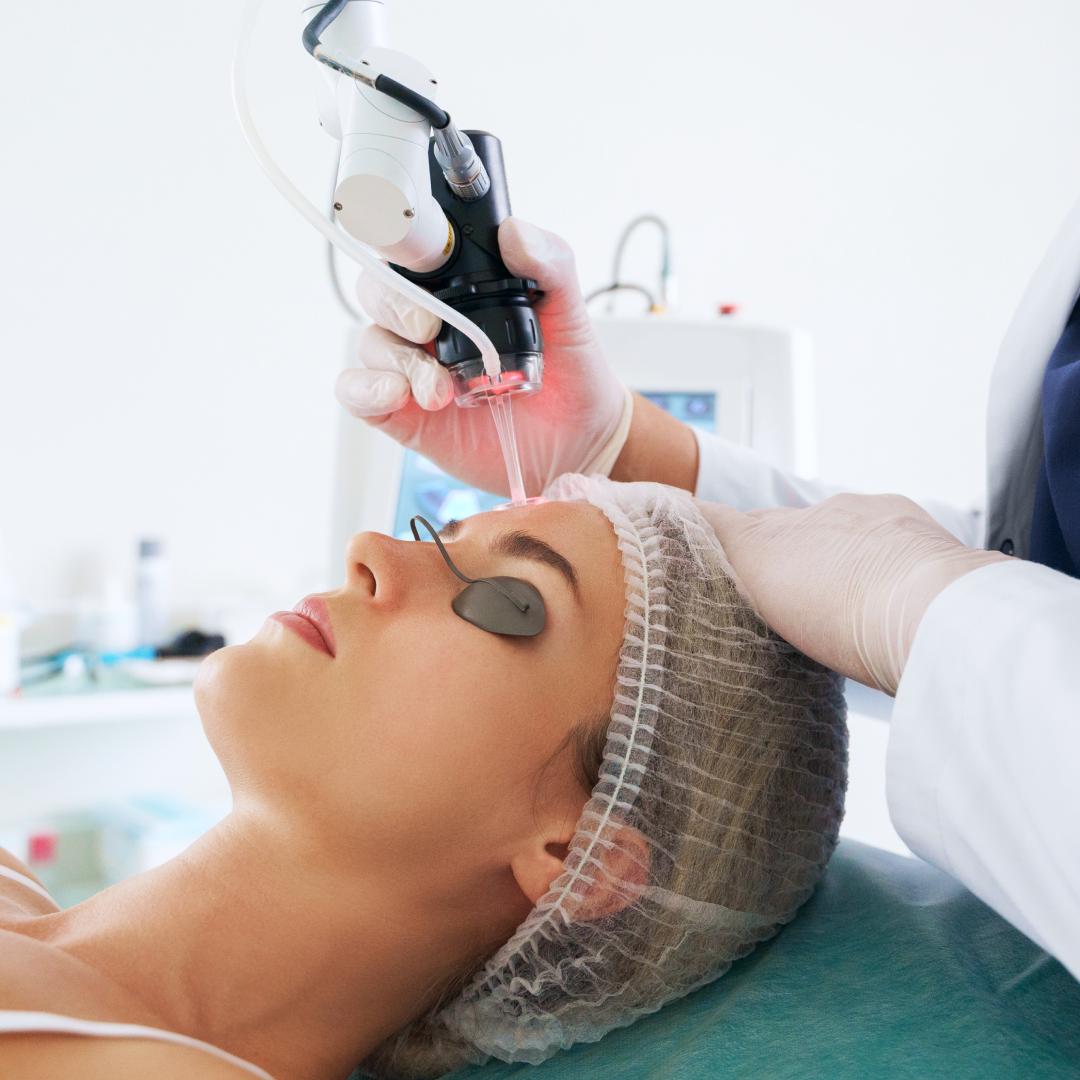
The Q-switched Nd:YAG 1064 nm (often at low fluence, sometimes fractional) can reduce dermal pigment. Studies show variable results depending on individual profiles, with sometimes useful combinations (e.g., integration of vitamin C via radiofrequency).
Internal ocular protection is imperative, and conservative parameter settings are recommended, especially for higher phototypes, to avoid PIH.
If Shadow Dominates: Correcting Volume
When the "dark circle" is primarily an anatomical shadow, hyaluronic acid filling of the tear trough can reduce the shadow. This procedure must be cautiously indicated in this risky area (edema, malposition). The advantage: the possibility of reversing the result with hyaluronidase if needed.
Combinations and Other Options
Combined strategies (topicals + peel/laser ± fillers) often yield the best results at the cost of rigorous follow-up. Other techniques such as PRP or carboxytherapy exist, with a still heterogeneous level of evidence; they are considered on a case-by-case basis after assessment.
Specifics for Darker Skin Tones
Higher phototypes are more susceptible to post-inflammatory hyperpigmentation. We favor gentle parameters, soothing and depigmenting actives that are well-tolerated (niacinamide, azelaic acid), and a gradual increase in strength for peels/lasers. Preparation (photoprotection, cessation of irritants, barrier care) and follow-up are crucial for success.
Common Mistakes to Avoid
Avoid rubbing, harsh scrubs, and aggressive makeup removers. Be wary of untried essential oils around the eyes. Do not use "too strong" products (acids, retinoids, hydroquinone) at high frequency on the eyelid without medical advice: you risk aggravating irritation and causing rebound pigmentation.
3-Level Action Plan
-
4–8 weeks routine: Daily SPF 30+; in the morning, vitamin C/niacinamide; in the evening, azelaic acid/arbutin or another gentle depigmenting agent. Avoid irritants and listen to the area's tolerance.
-
If partial improvement: Discuss short series of superficial peels (3–4 sessions), with strict preparation and post-care.
-
If deep pigment or recurrences: Consider Nd:YAG 1064 nm low-fluence (conservative parameters) combined with a topical routine. If a shadow contributes to the dark circle, evaluate filler treatment by an experienced practitioner.
Conclusion
For pigmented dark circles that resist home care, the combination of sun protection + gentle actives, and then, if necessary, peels and/or pigment laser yields the best results, provided it is done progressively and respects the area's tolerance.
If a shadow related to volume is the cause, a judiciously indicated filler treatment can complement the approach. A personalized diagnosis remains key to avoiding unnecessary irritation and saving time.
Want a brighter look? Book your free consultation at SSSKIN (Lausanne & Geneva) for an expert evaluation and a customized protocol, targeted peels, depigmenting treatments, and personalized follow-up.
FAQ
How to remove hyperpigmentation of dark circles?
Start with daily photoprotection and well-tolerated depigmenting actives (vitamin C, niacinamide, arbutin, azelaic acid). If the pigment is deep or old, a peel or laser under dermatological control can accelerate lightening.
Can genetic dark circles fade?
Yes, but it is necessary to treat what predominates: the pigment (topicals, peel/laser) and/or the shadow (volume) according to the assessment. Maintenance with SPF and gentle actives remains essential to stabilize the result.
Is "natural" treatment possible?
"Natural" does not mean "harmless." The best levers remain regular sun protection, cessation of rubbing, management of allergies, and the progressive use of proven actives (vitamin C, niacinamide, arbutin, azelaic acid). Avoid irritating home remedies.
Are lasers always effective on brown dark circles?
Lasers can help, especially on dermal pigment, but results vary depending on phototype, pigment depth, and parameters used. Cautious protocols are favored, sometimes combined with topicals or peels, and the risk of PIH is noted.
When to consult?
In case of a unilateral dark circle, pain, persistent irritation, or if you are unsure about the type of dark circle. Professional evaluation (dermoscopy, Wood's lamp) allows for adapting the treatment and avoiding errors that perpetuate pigmentation.





Share: